


Container Mold
Taizhou Zhenke Thin Wall Mold Co., Ltd. is a manufacturer specializing in the production of thin-wall molds, PET preform molds, and packaging molds for medical and high-end daily chemicals. Our company currently has more than 40 senior technical personnel and is a young and dynamic technology-based factory. We provide customers with comprehensive services such as product processing solutions, technical guidance, and after-sales maintenance.
Our Advantages
Advanced Processing Equipment
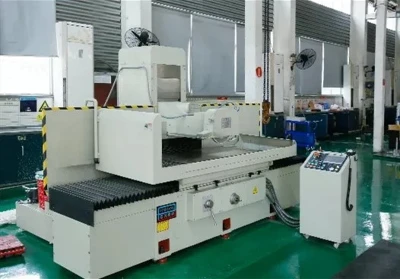
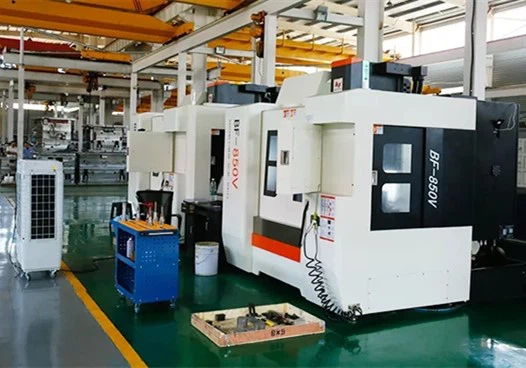
Zhenke Mold currently has more than 20 sets of various mold steel processing equipment such as CNC machine tools. Mold assembly machines can replace manual assembly of large molds, thereby improving mold quality.
Strict Quality Inspection
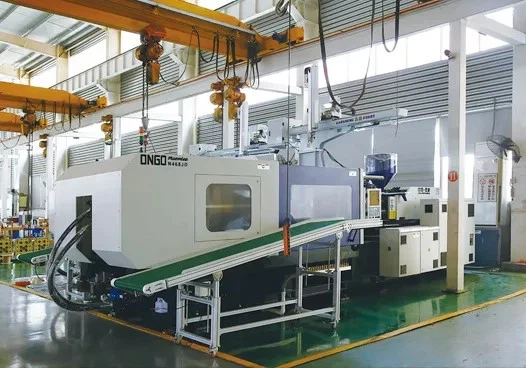
We use 7 injection molding machines of various sizes to conduct mold trials to check whether the mold is running well. We will be responsible for any quality issues.
High Return on Investment
The molds we produce adopt a needle valve hot runner system, which helps to accurately control the flow of melt, providing customers with higher production efficiency and lower production costs.
Wide Range of Services
We offer a variety of transmission components, including sprockets, roller chains, gears, couplings, racks, hubs, pulleys, taper sleeves, bearing seats, and more.


A container mold is a specialized tool used in the manufacturing process to produce containers of various sizes, shapes, and materials through molding techniques such as injection molding or blow molding. These molds are Thin Wall-engineered to create containers that can range from small cosmetic jars to large industrial buckets.
Advantages of Using Container Mold
Ability to Produce Detailed/Complex Geometries
With the right tool design and a scientific molding approach to process optimization, injection molds can help manufacturers produce highly complex, detailed plastic parts in large volumes with virtually no deviation. The key to consistency is the comprehensive data collection and analysis at the center of scientific molding, as well as the engineers trained in the process. Specialization is required to accurately develop and document the specifications, settings, and steps required to create a tightly controlled and repeatable manufacturing process.
Efficiency
An experienced custom injection molding partner provides manufacturers with a decided advantage in terms of efficiency. The molder’s teams — from engineering through production — likely have decades of expertise to draw upon when determining how to optimize part design and manufacturing. Implementing best practices generally streamlines time and cost commitments. For example, focusing on design upfront minimizes problems and costly redos, and incorporating value-added services combines production process steps for utmost efficiency.
Strength & Versatility
Of all the benefits of choosing injection molds, the steady increase in the strength and versatility of plastics may be most appreciated. Today’s lightweight thermoplastics can withstand even the harshest environments on par with — or better than — metal parts. Additionally, plastics are versatile. There are more than 25,000 engineered materials to choose from for complex injection molding applications. High-performance blends and hybrids can also be formulated to meet very specific part requirements and characteristics, such as high tensile strength.
Ability to Simultaneously Use Multiple Types of Plastic
Complex part designs commonly require components made of different materials. While seemingly a matter of simple choices, safely combining plastics can be extremely complicated. The plastics expertise of the molder’s project engineers guides compatibility, and helps prevent defects, injury risk, and warranty claims.
Thin Wall
For complex part designs requiring tight tolerances, injection molders can achieve designs accurate to within +/- .001 inches. These measurements aren't only possible; they're repeatable across production runs and equipment.
Shorten Product Development Time
Different skill sets held by injection molding engineers can help OEMs achieve a shorter product development timeline. Doing so means faster production cycles and getting defect-free parts to market quickly — a decided competitive advantage for manufacturers.
Multiple Finishes
A smooth surface is the desired final look for most injection molded parts. However, it’s not the appropriate finish for every application. Depending on the physical and chemical properties of the plastics used, injection mold allows for surface finishes that don’t require secondary operations — from matte finishes and unique textures to engraving and more.
High-Output Production & Consistency
High-output production of complex plastic parts — especially those with tight tolerances — requires a consistent, repeatable process. Injection molding is an ideal solution since parts are produced using the same tooling, combined with the molder’s continuous improvement practices that incorporate current leading-edge technologies.
Application of Container Mold


Electronic Industry
Electronic companies rely on plastic components as they provides electrical materials such as plastic casing which is resistant to dust, external influences, and moisture with a high level of protection. It also provides durability and optimal performance for electronic devices. Additionally, the specialized techniques of molding plastic components for electronic devices enable electronic companies to design the components precisely so that they can be fully incorporated into a particular device.
Food and Beverage Industry
Plastic injection molds are also used in food service to meet a variety of regulations. Beverage overcaps, food containers, filtering components, conveyor system components, and other elements, for example, are all made using plastic injection molding techniques. However, because this industry is required to ensure strict regulatory compliance, plastic components produced through the custom injection molding process must be FDA-approved, BPA-free, and so on.
Construction Industry
Injection molders make parts out of plastic adaptors, frames, and casing that hold electronics together and protect various electrical components from dust and other corrosive elements. Electronics would have significantly more performance issues and a shorter lifespan if injection molded plastics were not used. Steels may be the first material that often comes to your mind when you think of the construction industry. However, plastic is another cornerstone for construction as it is a great alternative for heavier loads. Plastics are long-lasting, hard, and resistant to extreme weather and temperature changes. Furthermore, plastic products, such as window and door frames, molded fasteners, and supports, are easier to install, have lower production costs, and are less heavy.
Packaging Industry
Plastic molding is commonly used to create items such as lids, jars, tubes, bottles, and other forms of packaging. This is the preferred packaging manufacturing technique because it provides a wide range of plastic resins and additives. These can be combined to make virtually limitless combinations of shape, style, color, and texture. Container Molds can create any desired appearance for its products using plastic injection molding services. Furthermore, plastic resins are versatile; different formulations can meet different requirements for heat resistance, chemical resistance, UV light tolerance, impact resistance, and a variety of other qualities that may be required of packaging.
Components of Container Mold
Injection molds consist of several essential components that work together to shape and form materials. These components include:
Mold Base
Provides the foundation and support for the mold components.
Mold Cavity
Creates the desired exterior shape of the final product.
Mold Core
Works with the mold cavity to form the internal shape of the final product.
Sprue
Facilitates the flow of material into the mold cavity.
Runner System
Channels the material from the sprue to the mold cavity.
Gate
The entry point from the runner system into the individual part cavity.
Ejector Pins
Help remove the molded part from the mold.
Cooling/Heating System
Regulates the temperature of the mold during the manufacturing process.
Common Materials Compatible with Container Mold
Acrylic (PMMA)
Acrylic, also known as poly(methyl methacrylate), is an amorphous thermoplastic. It’s good for structural applications due to its formability and ability to form tight tolerances with injection molding. Acrylic is clear and strong, making it a great, lightweight alternative for glass. ows and as a transparent enclosure.
Acrylonitrile Butadiene Styrene (ABS)
ABS is another amorphous thermoplastic with a low melting point. As an opaque polymer, ABS is compatible with colorants and has multiple options for various textures and surface finishes. Known for its strength and impact resistance, ABS however has weak resistance to UV rays, weather, high friction, and solvents, and it generates heavy smoke when burned, but this can be fixed with additives. Acrylonitrile Butadiene Styrene is best used for electronic components and coverings, as well as automotive components, consumer goods, and sports equipment.
Nylon Polyamide (PA)
Polyamide, otherwise known as nylon, is a synthetic material. Nylons’ high-temperature resistance does make it prone to shrinkage and inadequate filling of the mold. It can be degraded by sunlight and has poor resistance to strong acids and bases, but additives and fillers can help with these shortcomings. Best for snap-fit closures like caps, plastic threaded inserts, casings, gears, and electrical connectors.
Polycarbonate (PC)
Polycarbonate is a strong and lightweight amorphous thermoplastic with good transparency. 250 times stronger than glass, polycarbonate still has uniform mold shrinkage making it easy to use for injection molding. However, PC contains BPA, so not recommended for food prep or storage. When colored, polycarbonate retains its strength. Therefore, polycarbonate thermoplastic is best used for consumer goods or housing products.
Polyethylene (PE)
Polyethylene is a consumer-grade polymer that can be selected by density making it globally, the most commonly used plastic. Three main types of polyethylene are high density (HDPE), low density (LDPE), and polyethylene terephthalate (PET, PETE). Polyethylene is a low-cost plastic material that has high resistance to chemicals and moisture. PE plastics are best used to injection mold larger items therefore they are frequently used for blow molding films and bottles.
Polyoxymethylene (POM)
Polyoxymethylene, commonly known as acetal, is a low friction, high stiffness, general purpose semicrystalline thermoplastic. The engineered thermoplastic has low water absorption, good chemical resistance, and demonstrates excellent dimensional stability. There are two types of POM plastics: homopolymers and copolymers, with the differences lying within their dimensional stability and creep resistance, whereas a copolymer does better over time in both categories. Due to its low friction, the most common products made with injection molding polyoxymethylene are metal replacement parts like bearings, gears, conveyor belts, screws, and more.
Polypropylene (PP)
This semicrystalline thermoplastic is the second most commonly used plastic in the world for its flexibility. It is very similar to polyethylene but slightly harder and more heat-resistant. When used in injection molding, it can be recycled multiple times and blended with other plastic materials very well. However, polypropylene is extremely flammable (fixed with flame retardant additives), and difficult to bond – which also means it’s one of the materials that is harder to paint or fasten. With its low density, this commodity plastic is best used for sporting goods, power tools, living hinges for plastic bottles, and storage containers.
Polystyrene (PS)
Another commodity plastic is polystyrene. This amorphous thermoplastic plastic resin can be broken down into two basic types: general-purpose polystyrene (GPPS) and high-impact polystyrene (HIPS). GPPS is known as crystal-clear polystyrene but is prone to cracking. HIPS has a more matte finish and is not transparent but is the stronger of the two. Polystyrene thermoplastics are inexpensive, lightweight, and resistant to moisture and gamma radiation, making them excellent to sterilize medical devices. While injection molded PS is recyclable it is non-biodegradable. Polystyrene is best suited for injection molding medical, optical, and electronic plastic parts, but is also used to injection mold some consumer goods.
Maintenance Tips for Container Mold
Cleaning
● Wear appropriate personal protective equipment (PPE) when cleaning molds, including gloves, safety glasses, and respirators if needed.
● Use a mild, non-abrasive cleaner that is safe for the specific mold material and will not damage the surface finish.
● Avoid using high-pressure water or abrasive tools that can scratch or damage other deposits in the mold.
● Disassemble the mold and clean each component thoroughly, including the cavity, mold core, and cooling channels.
● Inspect the mold for signs of wear or damage during the mold cleaning up, such as cracks, chips, or pitting.
● Dry the mold components completely dry after cleaning to prevent moisture from causing corrosion.
Lubrication
● Select a lubricant that is suitable for the specific mold material and operating conditions.
● Apply a thin layer of lubricant evenly to the mold surfaces using a lint-free cloth or applicator.
● Avoid over-lubricating the mold, as an excess lubricant can attract dirt and debris on the mold surface, leading to potential contamination or damage.
● Lubricate all moving parts of the mold, including ejector pins, slides, and cores.
● Check the lubrication level regularly and reapply as needed during production
Factors to Consider Before Choosing a Container Mold
Speed to Build
Building a brand new mold is often one of the longest lead times in your project. Molds can be built in just a couple of weeks or mold building can take several months. When it comes to the speed of mold build, evaluate your true project needs rather than just how quickly it can be built. If you are still trying to prove your concept, you can likely expect a prototype or R&D mold to take 3-6 weeks. If you are ready to run high-volume, a production-ready mold may take upwards of 12-18 weeks. What is most important is collaborating with your manufacturing partner. Often, there is an intermediary solution or future planning that can help alleviate anxiety with longer lead times. This can include beginning with an R&D mold and building a production mold while you get your first parts in hand, or relying on interchangeable steel inserts with different geometry iterations.
Cost of the Initial Mold Build
With molds ranging from $5,000 to $100,000 or more, it is critical to build this line item into your budget early. An R&D mold for a simple part is going to be much cheaper than a multi-cavity, production-level mold. Several factors impact the cost of your mold, including mold classification, the complexity of your part(s), mold cavitation, and specialty molding features. A responsible injection molding partner will help you understand what goes into your mold building price, and help you get the most bang for your buck.
Project Development Stage
Where you are in your project development stage is a critical factor in mold selection. Typically, it is broken into: Design, Prototype, Pre-Production, Production, and High-Volume. In the early stages, you can typically expect a lower cost, lower construction quality mold. That is because these stages often include multiple design changes and revisions. Some companies are eager to jump into a production-ready mold as a way to avoid paying for several prototype molds. This can be dangerous, as the cost and time for mold changes and modifications increase substantially for these molds. On the flip side, some companies producing parts at higher volumes feel nervous about committing to a production mold. These companies end up spending more money in new molds and mold repairs over time, as the prototype molds degrade in quality. Being realistic about where you are (and where you want to go) in your product development will save you time and money.
Part Geometry or Complexity
Certain part geometry and features require different moldmaking approaches. As such, some parts have to be made using hardened steel (or steel inserts) rather than the softer materials typically used in R&D tooling, like aluminum. Additionally, material selection will also play a role in moldmaking. Some plastic materials do not interface well with certain mold materials. For instance, a part made with glass-filled nylon, even in prototype, will need to be molded in a higher quality mold than a part made in standard polypropylene.
Quantity of Parts to be Produced
Finally, you’ll want a general baseline for the number of parts you want to produce from this mold. Is this a “test” mold that will only run a few hundred parts? Or, are you hoping this will be the mold that takes you into millions or tens of millions of parts? You may have a firm design that is unlikely to change, but still only need an R&D or pre-production mold because you only expect to need a few thousand parts. Conversely, you may have a design that may change but is highly complex with fine features. A good option is a mold that has hardened steel inserts, which costs more, but allows the flexibility of change until you firm up your final design.
Our Factory
Zhenke Mold is a company that can manufacture Thin Wall molds and has many years of experience in mold design and production. 23,000 square meters of construction area and advanced equipment enable our factory to quickly create value for customers.
Ultimate FAQ Guide to Container Mold
Q: What is injection molding?
Q: How expensive is an injection mold?
Q: Why are injection molds so expensive?
Q: What materials are container molds made from?
Q: Is injection molding hard?
Q: What is the most common material used in injection molding?
Q: What are the 4 stages of injection moulding?
Q: What is the lifespan of an injection mold?
Q: Can you 3D print injection molds?
Q: How long does it take to build an injection mold?
Q: Do injection molds need vents?
Q: Do injection molds wear out?
Q: Why is it important to maintain and care for Container Mold?
A well-maintained Container Mold produces high-quality parts with consistent dimensions, surface finish, and structural integrity. Poorly maintained molds can lead to defects such as warping, sink marks, mold rust, and flash, compromising the functionality of the part quality final product.
Production Efficiency
A well-maintained Container Mold can reduce downtime, increase production speed, and surface quality, and lower production costs. Manufacturers can avoid frequent repairs and replacements by keeping molds in good condition.
Worker Safety
Molds that are not properly maintained can pose safety risks to workers. Regular maintenance and care of molds can prevent these hazards and ensure a safe working environment.
Longevity of Molds
Proper Container Mold maintenance can extend the life of a mold, reducing the need for frequent replacements. This can be particularly important for expensive molds, which can cost tens or even hundreds of thousands of dollars to replace.
Q: What types of containers can be produced using container molds?
Q: How often to clean and lubricate plastic Container Mold?
Q: Are container molds reusable?
Q: What are the cooling channels of Container Mold?
Q: Can Container Mold still be used if it wears out?
Q: What should be done if a Container Mold needs repair or maintenance?
Q: How are disposable containers produced?