


Bucket Mould
Taizhou Zhenke Thin Wall Mold Co., Ltd. is a manufacturer specializing in the production of thin-wall molds, PET preform molds, and packaging molds for medical and high-end daily chemicals. Our company currently has more than 40 senior technical personnel and is a young and dynamic technology-based factory. We provide customers with comprehensive services such as product processing solutions, technical guidance, and after-sales maintenance.
Our Advantages
Advanced Processing Equipment
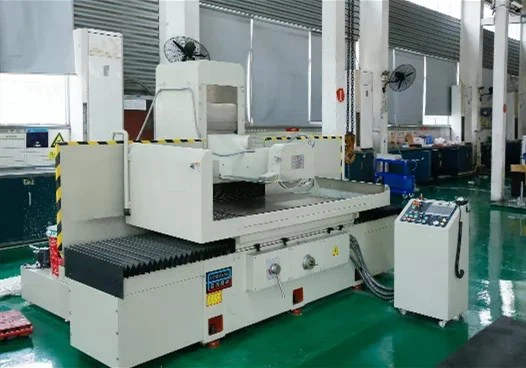
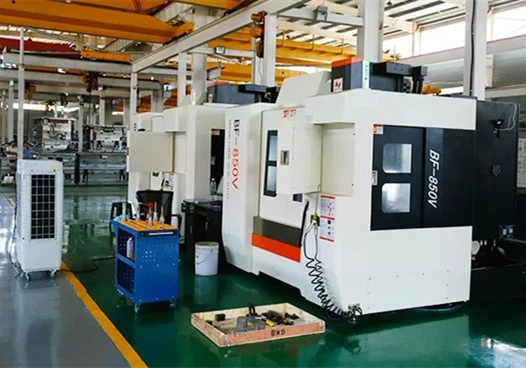
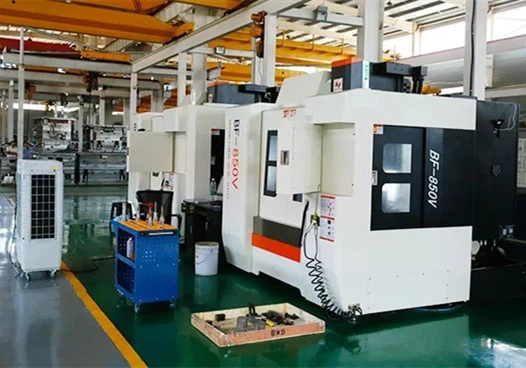
Zhenke Mold currently has more than 20 sets of various mold steel processing equipment such as CNC machine tools. Mold assembly machines can replace manual assembly of large molds, thereby improving mold quality.
Strict Quality Inspection
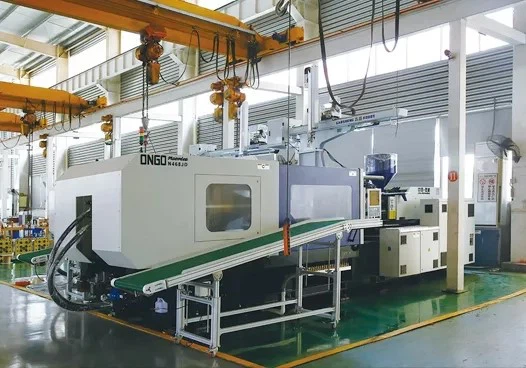
We use 7 injection molding machines of various sizes to conduct mold trials to check whether the mold is running well. We will be responsible for any quality issues.
High Return on Investment
The molds we produce adopt a needle valve hot runner system, which helps to accurately control the flow of melt, providing customers with higher production efficiency and lower production costs.
Wide Range of Services
Our company has more than five years of experience in mold design and production. Since its birth, it has provided products and services to more than 30 countries and regions around the world and has more than 100 partners.

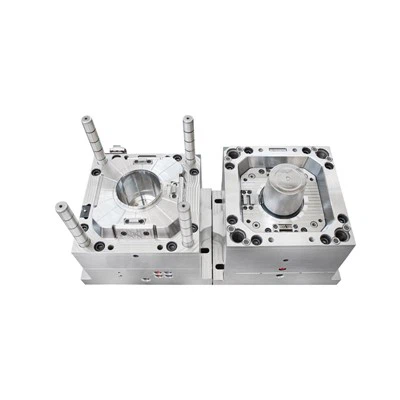
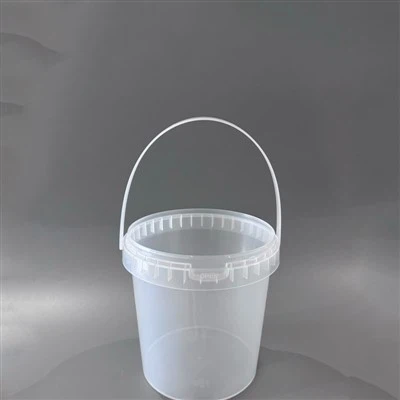

These molds are used to create the shape and design of the bucket and are made by using materials such as HDPE, LDPE, or PP to ensure durability and stability. The bucket handles and lids are injection molded using easy-to-mold PP and PE plastic.
Types of Bucket Moulds

Single-Cavity Molds
These molds produce one bucket at a time and are ideal for small-scale production runs.
Multi-Cavity Molds
These molds have multiple cavities and can produce several buckets at once, which increases production efficiency.
Thin-Wall Molds
These molds are designed to produce buckets with thinner walls, which reduces material costs and makes the buckets lighter and easier to handle.
Beryllium Copper Molds
These molds have copper inserts that help dissipate heat more efficiently, which reduces cycle times and improves production efficiency.
Advantages of Using Bucket Mould
Superior Durability
Injection molded plastic buckets are known for their exceptional durability. By utilizing high-grade plastic materials, these buckets can withstand heavy loads and resist impact, making them ideal for various industries such as construction, agriculture, and manufacturing. Their robust nature ensures longer shelf life and reduces the risk of breakages, providing excellent value for your investment.
Cost-Effectiveness
Plastic buckets manufactured through injection molding offer a cost-effective solution compared to traditional materials such as metal. The production process is highly efficient, allowing for mass-production with minimal waste. Additionally, the lightweight nature of plastic buckets results in reduced transportation costs and easier handling, ultimately saving you money.
Customization Opportunities
One of the main advantages of injection molded plastic buckets is the ability to incorporate in-mold labeling (IML) during the manufacturing process. IML allows for the direct integration of decorative or instructional labels, eliminating the need for additional labeling processes. This not only enhances the overall appearance of the bucket but also ensures that the labels are more resistant to peeling or fading over time.
Enhanced Branding and Product Differentiation
For paint bucket manufacturers or brands aiming to stand out in the market, in-mold labeling provides an excellent opportunity for branding and product differentiation. Through the utilization of IML, logos, product information, or any other desired designs can be seamlessly integrated into the plastic bucket during production. This ensures consistency, professionalism, and brand recognition, thereby attracting potential customers and making a lasting impression.
Application of Bucket Mould


Household Use
Plastic buckets find extensive use in households for various purposes, such as storage, cleaning, gardening, and DIY projects. Bucket molds are used to produce buckets of different capacities and designs that cater to these household needs.
Construction and Industrial Applications
Plastic buckets are widely used in construction sites and industrial settings for carrying and storing materials, such as cement, sand, gravel, and chemicals. Bucket molds are utilized to manufacture sturdy and durable buckets that can withstand rough handling and harsh environments.
Food and Beverage Industry
Plastic buckets are employed in the food and beverage industry for packaging and storing items like sauces, condiments, powders, and liquids. Bucket molds ensure the production of food-grade buckets that meet hygiene and safety standards.
Agriculture and Horticulture
Plastic buckets are utilized in agricultural and horticultural activities for tasks like harvesting, carrying fertilizers, soil, seeds, and water. Bucket molds are designed to produce buckets suitable for agricultural applications, considering factors such as durability, stackability, and ease of use.
Working Principle of Bucket Mould
Material Preparation
High-quality plastic materials, usually in the form of pellets, are selected based on factors like durability, strength, and cost-efficiency. These materials are then melted and homogenized to ensure uniformity.
Mould Clamping
The bucket mould is securely clamped into the injection molding machine. The mould consists of two halves, the cavity and the core, which come together to form the desired bucket shape.
Injection
The melted plastic material is injected into the mould cavity under high pressure. The material fills the mould, conforming to its shape and details.
Cooling and Solidification
After injection, the plastic material is allowed to cool and solidify within the mould. Cooling is a critical step to ensure that the plastic retains its intended shape and characteristics.
Ejection
Once the plastic has solidified, the mould is opened, and the finished bucket is ejected from the mould cavity. This process is facilitated by the use of ejector pins.
Manufacturing Process of Bucket Molds
The first step in manufacturing bucket molds is to create a 3D design of the mold using computer-aided design (CAD) software. Once the design is complete, it is fed into a computer numerical control (CNC) machine, which uses the design to carve a mold out of a block of steel or aluminum. CNC machining is a precise and efficient way to create molds with complex shapes and high accuracy.
EDM is a process that uses electrical discharges to shape the mold. This process is used to create the intricate details and shapes that cannot be achieved with CNC machining. EDM is especially useful for creating small holes and cavities in the mold.
After the mold is machined, it undergoes a series of surface treatments to improve its durability and lifespan. These treatments include polishing, heat treatment, and coating. Polishing smooths out any rough edges or imperfections on the mold’s surface. Heat treatment hardens the mold, making it more resistant to wear and tear. Coating the mold with a protective layer also helps to prevent damage and corrosion.
Throughout the manufacturing process, the mold undergoes rigorous quality control checks to ensure that it meets the required specifications. These checks include dimensional inspections, material testing, and visual inspections. Any defects or deviations from the design are corrected before the mold moves on to the next stage of the process.
Once the mold is complete, it is tested to ensure that it produces high-quality buckets. This test involves injecting molten plastic into the mold and examining the resulting bucket for defects or imperfections. Any issues are addressed before the mold is approved for use in production.
Common Materials Used in Bucket Molds
P20 Steel
P20 steel is a low-alloy tool steel that is commonly used in plastic mold manufacturing. It has good toughness and wear resistance, making it ideal for mold cores and cavities. P20 steel is also easy to machine and polish, which reduces manufacturing time and cost. It is often used in the production of bucket molds due to its high durability and strength.
718H Steel
718H steel is a pre-hardened plastic mold steel that is commonly used in the manufacturing of high-quality molds. It has excellent corrosion resistance and high-temperature properties, making it ideal for use in the production of bucket molds. 718H steel is often used in the manufacturing of mold cores and cavities, as well as other components of bucket molds.
Beryllium Copper (BeCu)
Bucket molds are an essential component in the manufacturing of buckets. These molds are used to create the shape and design of the bucket, and are made using materials such as HDPE, LDPE, or PP to ensure durability and stability.
Materials Compatible with Bucket Molds
Polyvinyl Chloride (PVC)
PVC is easy to work with and mold into shapes, making it an incredibly practical material. It is also inexpensive to produce and highly resistant to chemical and biological harm.
Low-Density Polyethylene (LDPE)
LDPE is a highly non-reactive substance at normal living temperatures, which explains why it has become one of the most widely used plastics today. It can tolerate temperatures of up to 100°C, and while it is not as strong as HDPE (the high-density equivalent), it is far more durable.
Polypropylene (PP)
Polypropylene is a strong and flexible plastic that is one of the most effective materials for injection molding when melted. However, in comparison to other plastics, it has a relatively high-temperature tolerance and is regarded as a food-safe substance. This material is also suitable for manufacturing plastic buckets.
Acrylonitrile Butadiene Styrene (ABS)
ABS is resistant to corrosive substances as well as physical forces. It's simple to machine, readily available, and has a low melting temperature, making it ideal for injection molding and 3D printing. These properties make it an ideal material for plastic bucket manufacturing
Polyethylene (PE)
PE is a low-cost thermoplastic molding material with excellent chemical resistance, flexibility, and electrical insulation. It isn't particularly tough or durable, but it is affordable. Consumer plastic parts, milk bottles, medicine and detergent bottles, plastic bags, and trash cans all include it. PE is also the most popular injection molding resin for toys since it is non-toxic and can withstand a lot of abuse.
Maintenance Tips for Bucket Mould
Routine Maintenance
1.Before the mold is removed from the press, it is to be heated (if the mold is chilled)so that all surface condensation is evaporated. With the mold still warm, internal mold surfaces should be gently cleaned with shop safety solvent to remove any residual dirt and grime, the ejector system moved fully forward, then sprayed with approved rust preventive before the ejector system is retracted and the mold closed.
2.Lenses and highly polished surfaces should be protected following specific instructions.
3.All water lines should be drained and blown free of all residual water to avoid buildup of rust due to standing water. It is imperative that no water be trapped inside mold.
4.Check and assure all bolts, plates, clamps etc. are in place and tight.
5.Bag the last shot as an example of the typical quality of this run. Store these parts with the mold.
Inspection Maintenance
1.This maintenance is performed by the lead operator or a tool maker at the end of a production run.
2.Using the check list and visual inspection techniques, the mold is looked over and any minor repairs that are necessary are noted for the convenience of the General Maintenance procedure.
3.If not, needed repairs or future required touch up notations are kept with the mold history log for future evaluation.
4.Any components missing or cavity blocked off should be noted and attended to.
5.A sample from the blocked cavity should be retained for the mold maker to make repairs.
6.The mold should be washed with safety solvent to remove the varnish and build up-from the molding process.
7.The vents should be checked for depth in a minimum of four clock-face places around the cavity face.
8.Notations for work to be done during the General Maintenance procedure should be noted on the form for future work Bent, worn or broken ejector pins should be noted.
9.The mold should be removed from production and the pins replaced.
General Maintenance
Only competently trained tool room technicians should perform this maintenance
All plates are separated and their faces cleaned.
1.Use only uncontaminated facial tissues or cotton balls. Loosen dirt by spraying cleaning fluid into cavity and wipe clean with clean cotton balls.
2.Do not touch with fingers, dust on fingertips may scratch a polished surface.
3.Be careful when blowing a cavity out, there may be dust or rust in the air lines which may damage the polished cavity.
4.All components are checked for wear. Any excessive wear is noted and a determination is made to repair, replace or continue to use
5.All rough areas outside the cavity detail area are to be worked out. Any area inside the cavity detail area with dings, dents or other signs of wear or abuse should be considered critical and should be carefully analyzed before replacements or repairs are commenced
6.All moving parts are to be lubricated if required. Use lubricant sparingly on all moving parts which make contact with plastic parts .
7.Vents should be checked for depth, width and land as compared to the tool drawing specifications.
8.This data should be recorded on the check list and a determination made to repair if required.
9.They should also be checked for corrosion and vent burns(Better venting may be required)
10.“O” rings, seals and gaskets should be checked for integrity.
11.All water lines are to be pressure tested for leaks and recertified for flow capacity.
12.Water lines that have built up scale and are restricted should be pressure cleanedwith a descaling agent.
13.The ejector system is to be examined for proper alignment. If the ejector pin holes have become egg shaped it must be determined if they should be re-drilled and bored to a larger size and the existing pins replaced with over size pins.
14.Broken return springs, replating or retexturing as a result of the material eroding the mold surface, replacement of gates or gate inserts, new runner blocks etc. must be analyzed and determined.
Key Elements of Efficient Bucket Mould Design
Material Selection
Choosing the right material is paramount in bucket mould design. The material must possess the necessary properties, such as durability, heat resistance, and flexibility, to withstand various conditions while maintaining its structural integrity.
Wall Thickness
An efficient bucket design considers the wall thickness. Proper wall thickness ensures that the bucket is strong enough to handle the intended load without being excessively heavy or prone to deformation.
Structural Integrity
The design of the bucket must ensure its structural integrity. Reinforcements and appropriate ribbing can enhance the bucket’s strength, making it more reliable for heavy-duty applications.
Smooth Surface Finish
A smooth surface finish not only improves the bucket’s appearance but also prevents any potential leakage and makes it easier to clean.
Handle Design
The handle is an essential element of the bucket, and its design must be ergonomic and sturdy to ensure ease of use and prevent breakage.
Our Factory
Zhenke Mold is a company that can manufacture Thin Wall molds and has many years of experience in mold design and production. 23,000 square meters of construction area and advanced equipment enable our factory to quickly create value for customers.
Ultimate FAQ Guide to Bucket Mould
Q: What are paint bucket molds?
Q: What materials are used in making molds?
Q: What’s the difference between soft tooling vs. hard tooling?
Soft Tooling:
Soft tooling is ideal for prototyping and testing purposes, as it allows for quick and easy mold creation and modification. It’s also suitable for low-volume production, reducing initial investment and maintenance costs. However, soft tooling has limitations, such as lower durability, higher wear and tear, and lower accuracy. Therefore, soft tooling is not recommended for high-volume or long-term production, as it can compromise the quality and consistency of the products.
Hard Tooling:
Hard tooling is preferred for high-volume and long-term production, as it offers higher durability, Thin Wall, and consistency. It’s also suitable for complex and intricate designs, as it can achieve higher quality and detail. However, hard tooling has drawbacks, such as higher initial investment, maintenance, and longer lead time. Therefore, hard tooling is not advisable for prototyping or low-volume production, as it can increase the cost and time of the project.
Q: What types of buckets can be produced using bucket molds?
Q: Are buckets injection molded?
Q: What depression in a mold used for forming plastic is called a cavity?
Q: What is the difference between a mold and a mold cavity?
Q: What is the most common cause of a mold cavity not having enough material injected into it?
Q: What is a 4 cavity mold?
Q: What is the difference between family mold and multi-cavity mold?
Q: What is the difference between single-cavity and multi-cavity mold?
Q: What is the gate of Bucket Mold?
Q: Are bucket molds suitable for high-volume production?
Q: What kind of processing equipment is needed for Bucket Mold?
Q: What is the role of bucket moulds in plastic manufacturing?
Q: What is the basic structure of plastic bucket mould?
Q: What are the common mold materials of bucket mold?
Q: Can bucket molds be customized for specific designs?
Q: Why is plastic a good material for a bucket?
Q: Can bucket molds be repaired if damaged?