


Food Container Mould
Mold Base Material: P20
Runner: Needle Valve Hot Runner
Characteristic: multi compartment
Zhenke Precision Mold: Your Professional Food Container Mould Manufacturer!
Advanced Processing Equipment
Zhenke Mold currently has more than 20 sets of various mold steel processing equipment such as CNC machine tools. Mold assembly machines can replace manual assembly of large molds, thereby improving mold quality.
Strict Quality Inspection
We use 7 injection molding machines of various sizes to conduct mold trials to check whether the mold is running well. We will be responsible for any quality issues.
High Return on Investment
The molds we produce adopt a needle valve hot runner system, which helps to accurately control the flow of melt, providing customers with higher production efficiency and lower production costs.
Wide Range of Services
Our company has more than five years of experience in mold design and production. Since its birth, it has provided products and services to more than 30 countries and regions around the world and has more than 100 partners.

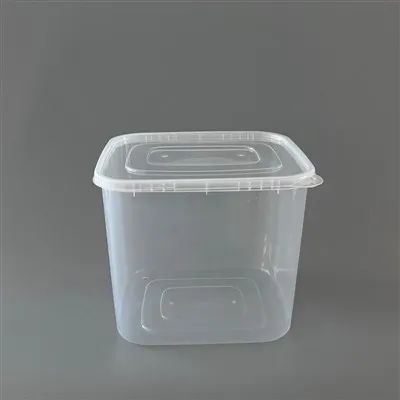
Our food container mould is made of special materials for thin wall precision mould, the mould has good quality and long service life. Food container mould products can be used in different boxes, salads, rice and dishes can be placed in different boxes, which is an innovation and convenience in the fast food packaging industry.
Benefits of Plastic Food Container Mould
A major advantage of using plastic food container molds for production is its efficiency and low cost. Through mold technology, large quantities of plastic containers can be mass-produced in a short time. The key to this production method is its high degree of automation, which reduces the need for manual operations and can greatly improve production efficiency. In addition, the mold design and production process can maximize material utilization, reduce waste, and reduce production costs. For large-scale production, investment in molds can quickly recover costs through mass-produced low-unit-price products, allowing companies to meet market demand while maintaining low production costs.
Another significant advantage is that molds can be used to produce containers with sealing capabilities. This type of container can effectively isolate air and moisture, ensure long-term food preservation, and avoid the impact of external environmental factors on food quality. This is particularly important for the food industry, as many foods are susceptible to oxidation, contamination or moisture, which can affect their shelf life. By using plastic molds to produce sealed containers, companies can reduce the risk of food contamination and extend the shelf life of products. This not only benefits the manufacturer, but also increases consumer trust in the product, thereby increasing brand value. Especially in food packaging sold by retailers and supermarkets, ensuring tightness is key to avoiding food spoilage and improving food safety.
Plastic food container molds are especially suitable for mass production. Whether it is small food packaging (such as condiment bottles, juice bottles, etc.) or large food storage containers (such as food storage boxes, freezer bags, etc.), molds can meet the needs of different product sizes, shapes, and functions. The flexibility and customization of the mold enable it to respond to the diverse demands in the market, especially seasonal changes and rapidly changing consumer trends in the food industry. By adjusting the design of the mold, manufacturers can quickly respond to market demand and produce different types of containers to meet consumers' different requirements for capacity, shape, sealing, etc. This ability to produce in batches not only improves production efficiency, but also enables companies to maintain flexibility and market adaptability in a highly competitive market.
Applications Of Food Containers Mould



-
Round Food Containers:
- These are containers with a circular shape and are often used for storing liquids, sauces, or items that need to be tightly sealed.
-
Square or Rectangular Food Containers
- These containers have straight sides and are often used for meal prepping, storing leftovers, or even bulk food storage.
-
Bento Boxes
- These are compact containers, often divided into several compartments, designed for packing multiple different foods in one container. They are popular for meal prepping and packing lunches.
-
Food Storage Jars
- These are typically cylindrical or jar-shaped containers used for storing dry goods or ingredients, such as spices, nuts, grains, or even snacks.
-
Microwaveable Food Containers
- These containers are designed specifically for use in the microwave. They are made from plastics that can withstand heat and often come with vented lids for steam release.
-
Stackable Food Containers
- These are food storage containers designed with interlocking lids or base structures that allow them to be stacked easily, optimizing space in cabinets, fridges, or freezers.
-
Disposable Plastic Food Containers
- These containers are typically thin, lightweight, and designed for one-time use. They are common in take-out food packaging, catering, or events.
-
Freezer Safe Food Containers
- These are plastic containers specifically designed to withstand low temperatures, ideal for storing food in the freezer.
-
Vented Food Containers
- These containers come with a vented lid or a small hole to release steam, which is especially useful for reheating food in the microwave without splattering.
technical challenges we overcame
Designing and manufacturing multi-compartment food containers is a challenging yet rewarding task that requires great attention to details and innovative thinking. Here are some of the technical challenges we overcame during this process:
1. Compartmentalization: One of the main challenges in designing multi-compartment food containers is achieving the perfect balance between the size and shape of each compartment. Each compartment needs to be spacious enough to hold a decent quantity of food but small enough to fit within the overall structure of the container. Additionally, the shape and placement of each section should allow for easy access and division of the food.
2. Material selection: Choosing the right materials is crucial in designing a food container that is durable, safe for food, and easy to clean. Factors such as temperature resistance, moisture resistance, and overall durability must be considered. Food-grade plastic is often a popular choice due to its cost-effectiveness, durability, and versatility.
3. Sealing mechanism: Proper sealing mechanisms are essential in ensuring that the food container is leak-proof and airtight. Careful consideration must be given to the design of the lid and locking mechanisms.
4. Ergonomics: The overall design of the food container should take into account ergonomics. The shape and size of the container should be easy to handle and transport, and the lid should be easy to open and close securely.
According to the latest industry report, the food and beverage sector relies heavily on a wide variety of containers. These include packaging for water and other liquids, as well as plastic containers used for deli products, take-out meals, supermarket items, and more. Given the diverse range of products, versatility is crucial in the manufacturing process.
Steps in Manufacturing a Plastic Injection Moulded Food Container
Melted Plastic Injection: Plastic is first melted and fed into the injection moulding machine, where it is forced into a specially designed mould.
Mould Conformity: Under pressure, the liquid plastic conforms to the shape of the mould, ensuring the correct thickness of the container walls.
Cooling and Hardening: The plastic is allowed to cool and solidify, taking on the desired shape.
Ejection and Quality Control: Once cooled, the finished container is ejected from the mould and undergoes a series of quality control tests to ensure it is safe for food or beverage use.
Quality Testing: Key checks include verifying uniform wall thickness, consistent plastic distribution, and the absence of defects like air bubbles, weak spots, or discoloration. Containers are also tested for their conformance to the required size and shape.
Advantages of zhenke food container mould
When designing a food container mould, several factors must be considered to meet the specific needs of the food product it will hold. Key aspects include the container's size, shape, sealing mechanisms, and any unique features required for the food type. The design must also prioritize easy demoulding to enhance production efficiency and reduce the risk of contamination.
Food container moulds are subject to stringent food-grade standards and regulations to ensure that the packaged food remains safe for consumption. Manufacturers use materials that are non-toxic and resistant to chemical reactions that could negatively impact the food quality or safety.
Moulds used in food container production must be designed with hygiene and ease of cleaning in mind. This is especially important for containers intended for perishable or sensitive food products, where maintaining cleanliness is critical to preventing contamination.
Stringent quality control procedures are in place to ensure food containers meet all safety and quality standards. This typically includes inspections for dimensional accuracy, material integrity, and surface finish to ensure the containers are both functional and safe for food storage.
FAQ
Q: How long does a plastic mold last?
A: A plastic mold can last from 1000 cycles to 1,000,000 cycles or even longer, there are a lot of factors affect a plastic mold lifetime.
Q: How long do plastic food containers last?
A: That said, plastic doesn't have the longevity offered by glass and stainless steel, so it's important to know when to swap out your container collection. "Plastic food storage containers should be replaced every six months to one year, depending on usage and wear and tear.
Q: How can you tell if a plastic container is food safe?
A: You should see the classic recycling symbol with a number inside of it. Generally, food grade plastics will be labeled with either 1, 2, 4, or 5. These refer to polyethylene terephthalate (PET or PETE), high-density polyethylene (HDPE), low-density polyethylene (LDPE), and polypropylene (PP), respectively.
Q: What foods should not be stored in plastic containers?
A: When you're cooking, it's important to know the type of foods you're making so you can put them in proper storage. Oily, fatty, and greasy food do not react well to plastic and should be put in better alternatives, like glass, according to our experts.
Q: When should you throw out plastic food containers?
A: If the plastic of the container is split, cracked or stained, then it is time to get rid of your trust container and buy a new one. As a typical rule, you should keep your plastic containers for around 10 years before discarding them.
Q: Is it safe to use old plastic food containers?
A: That's because chemicals may contaminate the surface of the container, and thoroughly sanitizing it is difficult. If you overuse plastic containers, you risk transferring contaminants from previous use. Plus, an old, damaged container won't properly hold your food.
Q: How long does food last in plastic containers?
A: The lifespan of a container depends on usage and care. Typically, they last up to a year or more if used properly.
Q: What material is not acceptable for a food storage container?
A: Safe plastic numbers include 2, 4, and 5. These containers can store food without any toxic chemical infiltration and include the HDPE, LDPE, and PP materials. Containers with the number 7 are made of polycarbonate (the category that includes BPA), so should not be used with food.
Q: Which plastic containers should not be reused?
A: Health advocates advise against reusing bottles made from plastic #1 (polyethylene terephthalate, also known as PET or PETE), including most disposable water, soda, and juice bottles. Such bottles may be safe for one-time use but reuse should be avoided.
Hot Tags: food container mould, China food container mould manufacturers, suppliers, factory, Container Mold, Multi Compartment Container Mould, PET Preform Mold, Transparent Cup Mold, Plastic Knife Mould, Thin Wall Mould
Previous
Black Base Container MouldYou Might Also Like


Send Inquiry