


IML Mold
Taizhou Zhenke Thin Wall Mold Co., Ltd. is a manufacturer specializing in the production of thin-wall molds, PET preform molds, and packaging molds for medical and high-end daily chemicals. Our company currently has more than 40 senior technical personnel and is a young and dynamic technology-based factory. We provide customers with comprehensive services such as product processing solutions, technical guidance, and after-sales maintenance.
Our Advantages
Advanced Processing Equipment
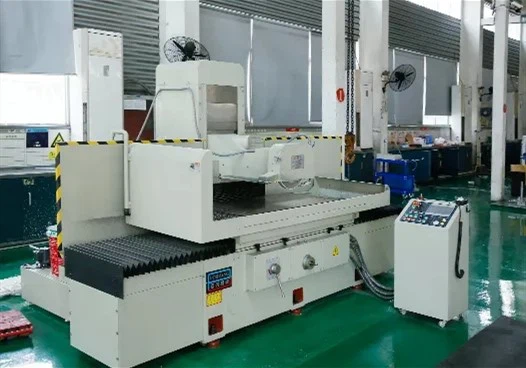
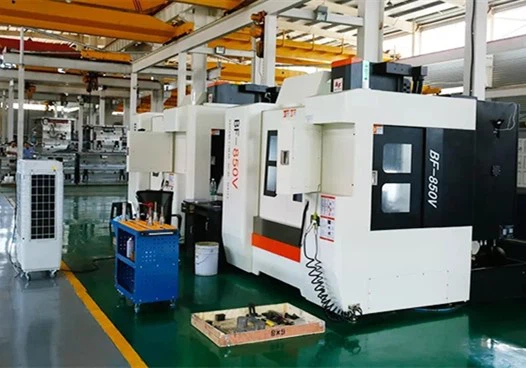
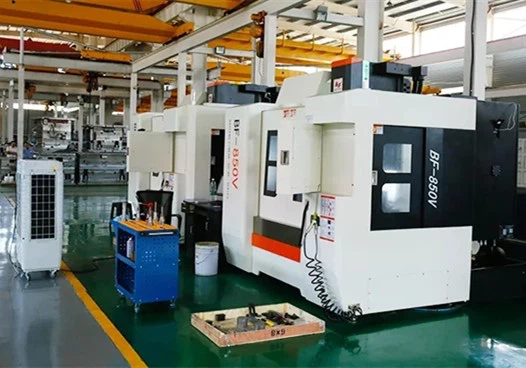
Zhenke Mold currently has more than 20 sets of various mold steel processing equipment such as CNC machine tools. Mold assembly machines can replace manual assembly of large molds, thereby improving mold quality.
Strict Quality Inspection
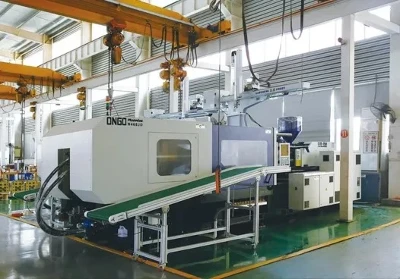
We use 7 injection molding machines of various sizes to conduct mold trials to check whether the mold is running well. We will be responsible for any quality issues.
High Return on Investment
The molds we produce adopt a needle valve hot runner system, which helps to accurately control the flow of melt, providing customers with higher production efficiency and lower production costs.
Wide Range of Services
Our company has more than five years of experience in mold design and production. Since its birth, it has provided products and services to more than 30 countries and regions around the world and has more than 100 partners.


Architectural design & planning cepteur sint occaecat cupidatat proident, taken possession of my entire soul, like these sweet mornings of spring which I enjoy with my whole...Architectural design & planning cepteur sint occaecat cupidatat proident, taken possession od my entire soul, like these sweet mornings of spring which I enjoy with my whole
Lorem ipsum dolor sit ament, consectetur adipisicing elit,sed do eiusmod tempor incididunt labore et dolore magna aliqua. it enim ad minim veniam.
Advantages of Using IML Mold for Production
Design Quality
In-mold labeling provides high resolution colors and images for labels. IML is compatible with a wide range of colors and can be displayed on both sides of the package. In-mold labeling is a powerful platform for enhancing graphic effects, enabling business owners the flexibility to respond to creative design ideas using flat, curved, or 3D-formed graphics. The label is fused to the plastic giving the in-mold container a clean, smooth, integrated and unlabeled look as opposed to post-mold labeling (PML). This label remains intact throughout its life and is highly tamper-proof unless the container is cut open.
Durability
The water resistance of in-mold labeling makes it a reliable labeling option that can withstand both humid environments and extreme temperature fluctuations (freezing / cooling conditions). In contrast to pressure sensitive labeling, IML is a permanent design method with excellent impact and scratch resistance because it fuses permanently to the container. A container with in-mold labeling has the potential to be impervious to abrasion and chemicals depending on the hard coatings used to generate the manufactured goods.
Environment-Friendly
Traditional methods of pressure sensitive labeling require adhesives that are not accepted by every recycling plant. Because both the container and the label are combined without the exterior glue, plastic products with IML can be eco-friendly and fully recyclable depending on the type of plastic resin used to manufacture the product. Since in-mold labeling containers are completely recyclable, they are eligible to become PCR products which can help decrease carbon footprints and leave a positive impact on the environment.
Cost-Effective
For mass production, in-mold labeling containers take less time to manufacture because it is produced and decorated in one step to form a single product. In comparison to PML, in-mold labeling is typically more cost-efficient because it is without the expense of time, labor and floor space; IML Mold also reduces inventory like post-mold paper labels and adhesives.
Application of IML Mold
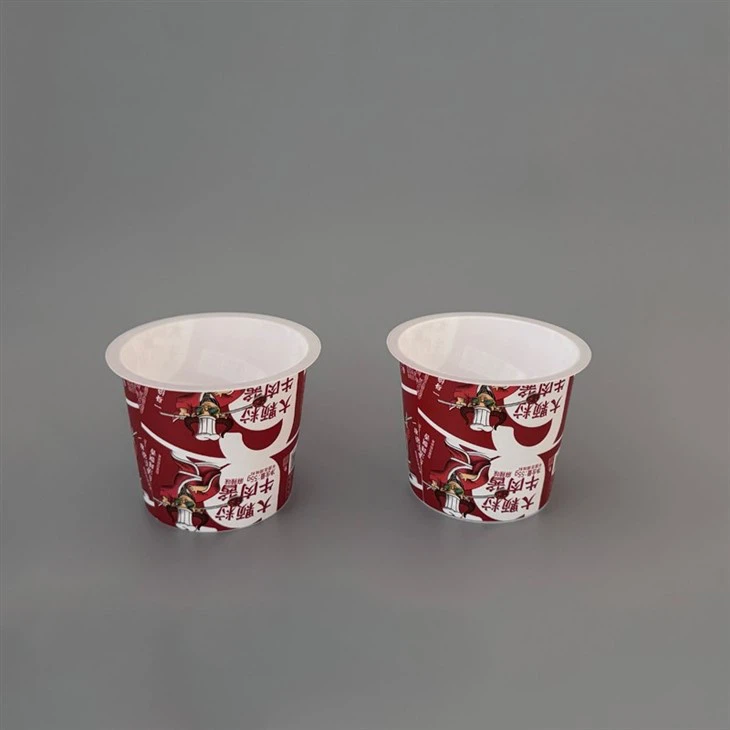
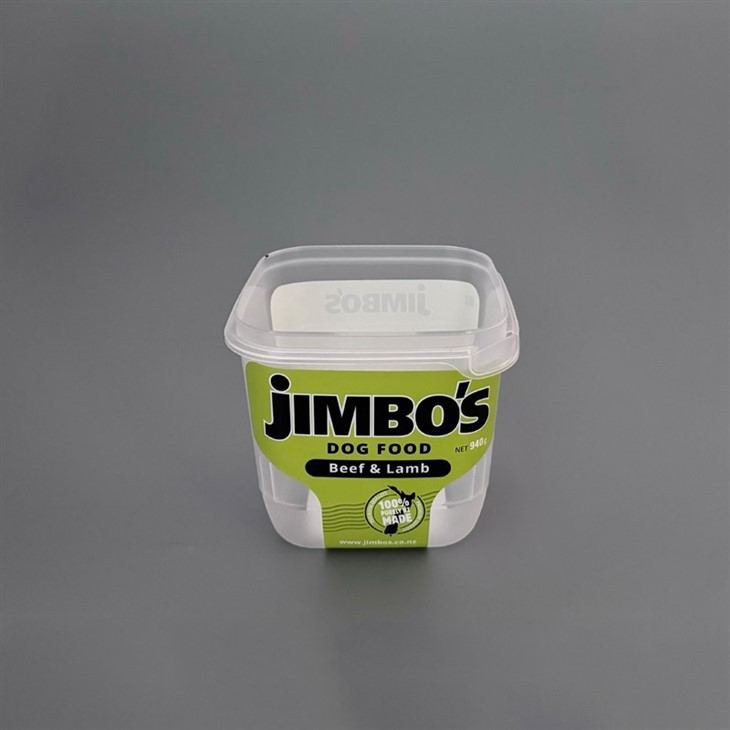

Food Packaging
IML molds are used for packaging food items such as dairy products, snacks, sauces, condiments, and ready-to-eat meals. The in-mold labeling process allows for attractive and informative labels on food packaging.
Beverage Packaging
IML molds are utilized for labeling bottles, cups, and containers used for beverages like water, soft drinks, juices, and alcoholic beverages. The labels can feature branding elements, nutritional information, and promotional messages.
Personal Care and Cosmetics Packaging
IML molds are used for labeling containers of personal care products such as shampoo, conditioner, lotion, and cosmetics. The labels can showcase product information, logos, and designs.
Plastic Containers
IML molds are used for producing plastic containers used for storage and organization purposes in households. These containers can feature labels with product information, sizes, and usage instructions.
Electronics Accessories
IML molds are employed for producing plastic cases and covers for electronic devices such as smartphones, tablets, remote controls, and gaming consoles. The labels on these accessories can display branding elements and product information.
Containers and Totes
IML molds are used for producing plastic containers and totes used in industrial and commercial settings. These containers can be labeled with identification codes, product specifications, and branding elements.
Working Process of IML Mold
The correct thermoplastics and molds must be chosen or made before the process can start since these are what really manufacture and shape the final components. Indeed, producers must take into account how the thermoplastic and mold interact in order to make the best choice, since certain plastic types may not be appropriate for specific mold designs.
Electricity or hydraulics may both be used to power injection molding equipment. Raw thermoplastic pellets are put into the machine's hopper at the top to begin the process. These pellets are progressively fed into the machine's barrel while the screw rotates. The thermoplastic is progressively warmed and melted as a result of the screw spinning and barrel heat until it is molten.
The gate, which manages the injection of plastic, shuts as soon as the molten plastic reaches the end of the barrel, and the screw advances. This pulls a predetermined volume of plastic through and prepares the screw for injection by building pressure within. Inside the mold is now placed an available label. The two components of the mold tool are held tightly together and under high pressure, or clamp pressure, at the same time. To guarantee the component develops properly and that no plastic escapes the tool during the injection, injection pressure and clamp pressure need to be adjusted. The gate opens, the screw advances and the molten plastic is injected into the mold after the proper pressure is attained in the tool and screw.
After most of the plastic has been injected into the mold, pressure is applied for a certain amount of time. This is known as "holding time," and depending on the kind of thermoplastic and the intricacy of the component, it may last anywhere from a few milliseconds to several minutes. This holding period is crucial for ensuring that the plastic forms properly and packs out the tool. After cooling, it conforms to the mold and bonds with the label placed.
Pins or plates expel the pieces from the tool after the holding and cooling periods have elapsed and the part is substantially completed. These fall to the machine's bottom, where they land on a conveyor belt or in a compartment. The finished product will now be a finished plastic product with a label printed on it. Post-labeling and other auxiliary operations are removed since the plastic mold labeling is completed during the molding cycle.
Processing Materials Available for IML Mold
Acrylic (PMMA)
Acrylic is a strong, clear thermoplastic that provides a lightweight, shatter-resistant alternative to glass. This injection-molded material also offers excellent optical clarity so that a high percentage of light passes through.
Acrylonitrile Butadiene Styrene (ABS)
ABS has a relatively low melting point that makes it easy to mold. This opaque polymer supports the use of colorants as well as various textures and surface finishes. Its butadiene content delivers exceptional toughness, even at low temperatures, and its styrene content imparts a shiny, attractive finish to plastic injection molded parts.
Nylon Polyamide (PA)
Nylon is a synthetic polyamide (PA) that combines toughness and high heat resistance with high abrasion resistance, good fatigue resistance, and noise-dampening properties. Nylon isn’t inherently flame-resistant, but flame-retardant versions are available. Similarly, although nylon can be degraded by sunlight, a UV stabilizer can be added to improve outdoor performance.
Polycarbonate (PC)
Polycarbonate is strong, lightweight, and naturally transparent. This plastic injection molding material has excellent optical properties to support light transmission, but maintains its color and retains its strength when pigmented. Although it isn’t scratch-resistant, polycarbonate is significantly stronger than glass and is extremely durable.
Polyethylene (PE)
Polyethylene is the most commonly used plastic in the world and is a commercial polymer that can be selected according to its density. High-density polyethylene (HDPE) and low-density polyethylene (LDPE) both provide chemical resistance, but they differ in terms of their hardness, flexibility, melting point, and optical transparency.
Polyoxymethylene (POM)
Polyoxymethylene (POM) is an engineering plastic that is also known as acetal. It combines excellent rigidity with thermal stability and has a low coefficient of friction. This plastic material has low water absorption and good chemical resistance. In terms of appearance, POM plastics are naturally opaque and white in color.
Polypropylene (PP)
Polypropylene is the second most commonly used plastic in the world. It provides good chemical resistance, retains its shape after torsion or bending, has a high melting point, and won’t degrade when exposed to moisture or water. Injected molded polypro, as PP is sometimes called, is also recyclable.
Polystyrene (PS)
Polystyrene plastics are lightweight, relatively inexpensive, and resistant to moisture and bacterial growth. These commodity plastics also provide good chemical resistance to diluted acids and bases and have excellent resistance to gamma radiation, which is used to sterilize medical devices.
Maintenance Tips for IML Mold
Not only is preventative mold maintenance necessary, but also performing the correct tasks. Basic preventative maintenance steps keep your tool producing parts.
● Inspect all aspects of the injection mold, including runners, cavities, gates, plates, and sprues regularly for early identification of potential problems.
● Use compressed air to remove any unwanted materials such as dust from the mold.
● Clean all mold components using a non-toxic solvent.
● Add lubrication, and in most cases, rust preventative to the injection mold.
● Look over hot runners and water lines for potential issues since these are often the cause of mold performance problems. Water lines should be flushed and drained to remove unwanted moisture.
● When storing an injection mold, the mold needs to be completely dry. Plates should be separated, the system properly cleaned and lubricated, and components, such as pins, or springs, tightened or replaced. Ensuring the mold returns to service quickly when needed.
Our Factory
Zhenke Mold is a company that can manufacture Thin Wall molds and has many years of experience in mold design and production. 23,000 square meters of construction area and advanced equipment enable our factory to quickly create value for customers.
Ultimate FAQ Guide to IML Mold
Q: What are the Benefits of a Properly Maintained Mold?
Q: Does Mold Maintenance Increase the Lifespan of Injection Molds?
Q: What is IML injection molding?
Q: What is the process of IML molding?
Q: What are the advantages of IML?
With the In-Mould-labelling-process packaging is produced in one single working step and provided with a label. This eliminates the storage of blank packaging, meaning that warehousing and transport costs belong in the past.
Q: What materials are IML molds made from?
Q: What are the advantages of in-mold labeling?
In-mold labeling significantly improves a product's aesthetic appeal. It offers goods with essentially outstanding designs and captivating images. Potential clients are quickly drawn in by this. The labels include all the information regarding the product. Because the label's edges are absent from the goods, it is much more attractive. Additionally, the product's structure is enhanced since the label and the product was created together; as a result, they naturally contact one another. The goods and labels are permanently joined. Throughout the duration of the product, the label is unaltered.
Boosts Production Effectiveness
IML can build containers as they are beingdecorated, which reduces production time and lowers manufacturing costs. This removes the need to store blank containers and lowers the cost of storage and delivery.
Eliminates Counterfeit Products
For in-mold labeling, specially-made molds are needed. In-mold labeling mold production demands a high level of skill and funding. Mold-making requires high levels of skill and expense, which significantly reduces the likelihood of fraud. It is very hard to reproduce due to the differences in mold design, film printing, and label production procedures. This helps to sustainably preserve brands.
Increase Durability
In-mold labeling is a dependable labeling choice that can tolerate both humid surroundings and significant temperature variations (freezing/cooling conditions). This is because of its water resistance. IML is a permanent design approach with superior impact and scratch resistance compared to pressure-sensitive labeling since it permanently bonds to the container.
Q: How does IML work?
Q: What types of products can be made using IML molds?
Q: What materials is IML Mold compatible with?
this resin is often used in disposable products like water bottles or cosmetic cases.
ABS (Acrylonitrile butadiene styrene)
this type is used for harder surfaces, like hard-shell luggage, or computer keyboards and mouses.
PC (Polycarbonate)
this material comes in thick, clear sheets and is often used in place of glass. Think car dashboards, eyewear lenses, electronics, and even greenhouses.
PMMA (Polymethyl methacrylate/Acrylic)
similar to PC, this resin is clear, durable, and shatter-resistant. Applications include safety glasses, telescopes, rear lights for vehicles, LCD screens, aquariums and more.
Q: Which parts of IML Mold need to be checked?
Q: Can IML molds be used with different types of labels?
Q: What should I do if I find a problem with IML Mold?
Q: What are the methods of Mold Cleaning?
A chemical cleaning process could be a chemical bath and manual scrub or hooking up the cooling channels to a chemical recirculation circuit to remove fouling and mineral buildup.
Ultrasonic Immersion Cleaning
With Ultrasonic immersion, the cavitation bubbles effectively scrub all of the surfaces of the mold.
Dry Ice Blasting
Dry ice blasting is great for cleaning the injection mold while installed in the injection machine.
Soft Plastic Media Blasting
While typical sand blasting media would damage a mold surface, soft plastic media blasting cleans the mold surface without damaging surface texture and polish.
Laser Cleaning
Lasers will burn off mold contaminants and reflect off the clean metal surface.
Q: Can IML molds be used for products with complex shapes?
Q: What is the lifespan of an IML mold?
Q: Are there any limitations to using IML molds?
Q: Can IML molds be used for food-grade products?