


Commodity Mould
Taizhou Zhenke Thin Wall Mold Co., Ltd. is a manufacturer specializing in the production of thin-wall molds, PET preform molds, and packaging molds for medical and high-end daily chemicals. Our company currently has more than 40 senior technical personnel and is a young and dynamic technology-based factory. We provide customers with comprehensive services such as product processing solutions, technical guidance, and after-sales maintenance.
Our Advantages
Advanced Processing Equipment
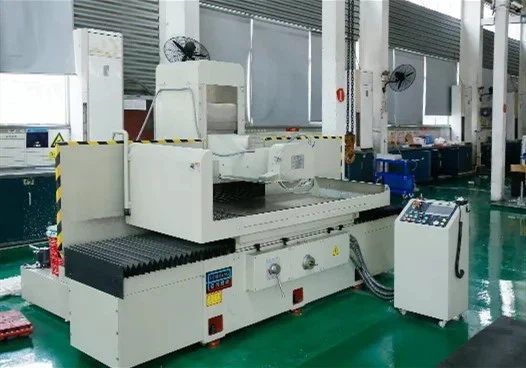
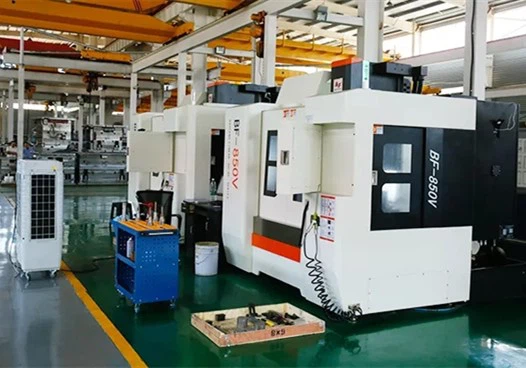
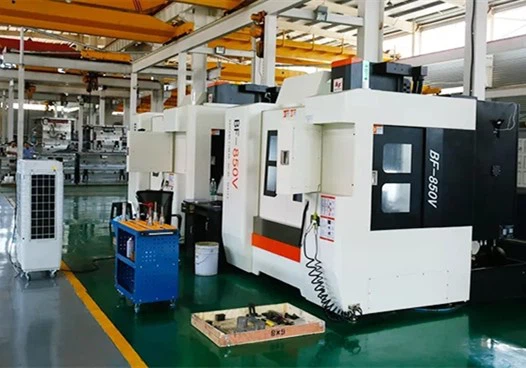
Zhenke Mold currently has more than 20 sets of various mold steel processing equipment such as CNC machine tools. Mold assembly machines can replace manual assembly of large molds, thereby improving mold quality.
Strict Quality Inspection
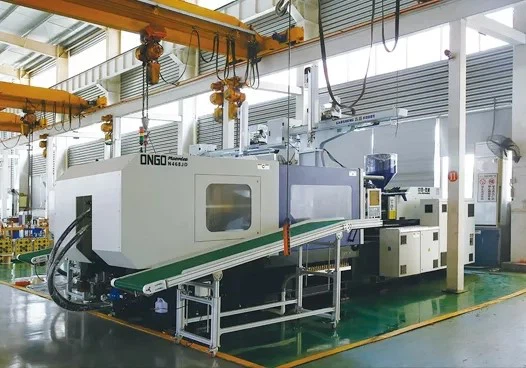
We use 7 injection molding machines of various sizes to conduct mold trials to check whether the mold is running well. We will be responsible for any quality issues.
High Return on Investment
The molds we produce adopt a needle valve hot runner system, which helps to accurately control the flow of melt, providing customers with higher production efficiency and lower production costs.
Wide Range of Services
Our company has more than five years of experience in mold design and production. Since its birth, it has provided products and services to more than 30 countries and regions around the world and has more than 100 partners.


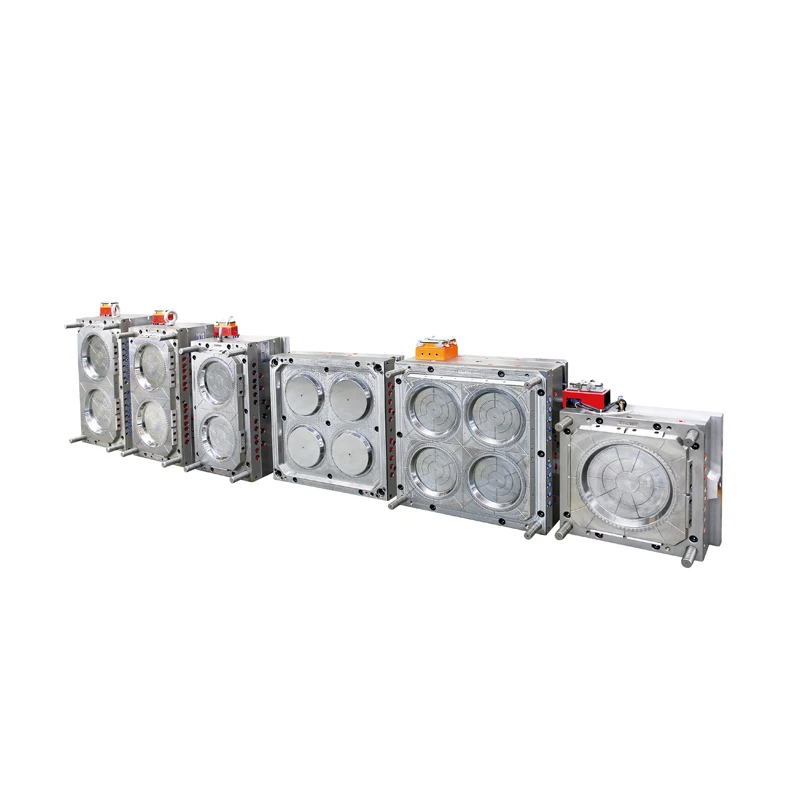
Commodity injection mold is the mold used to make commodity goods. Commodities come in different colors, shapes, and thicknesses, and refer to molded products used in everyday life. These molds are often used in industries such as packaging, household goods, automotive, and consumer electronics.
Types of Commodity Moulds
Low / High Cavitation
Single cavity molds are designed to produce one part per cycle. They are a cost-effective approach when part volumes are low as they are less expensive to build. They also have a shorter lead time. The disadvantage is a higher piece part cost in molding production. Multi-cavity molds produce more parts per cycle. The major advantages are increased capacity and lower piece part costs as more parts can be produced within a comparable cycle time.
Family Mold
A family mold has a single mold base but two or more different cavities, allowing for the production of two or more different parts. All the parts can either be produced simultaneously or shut-offs can be used to isolate production to selected cavities. For best results in molding, the parts should be similar in size, shape, resin, and anticipated volumes, especially if the intention is to run all parts at the same time. Automation may be necessary to separate the pieces during or after production.
Unscrewing Molds
Unscrewing molds are the most common method of creating threaded holes within a plastic part. These molds are automated with small drive systems (rack & pinion, electric, or hydraulic motors) that are tied into the process and rotate threaded features to extract undercut features. Threads can be internal or external, and the extraction is tied into the press cycle.
Hot Runner Molds
Hot runner tools use a temperature-controlled manifold to greatly reduce or eliminate runner scrap from the cycle. Injection points can be outside the part or directly into the part. This can greatly improve cycle times, as a sprue or runner system is often a determining factor on the mold cycle. And, eliminating the runner saves expensive wasted material. Hot runner molds require a temperature controller for the press they run in, with the controller being sized to match the manifold in the mold. Some mold maintenance costs are higher on a hot runner tool, but they often pay for themselves in the long run through material and cycle time savings. This is particularly true of applications that require expensive engineering grade resins or high annual volumes.
Cold Runner Molds
Cold runner molds are good examples of more traditional tooling in that they utilize sprues and runners to gate into the part. This is typically the least complicated form, however may result in larger amounts of wasted material and slower running cycles. Depending on the application, a percentage of wasted material may be re-ground and re-processed for future use, though this could affect the physical properties of the resin. Dealing with more advanced, high-cost materials such as engineering and medical grade resins or the inability to use regrind in your application may lend itself to using a more efficient hot runner mold for your project.
Insulated Runner Molds
Insulated runner tools resemble more traditional cold runner molds but utilize cartridge heaters or other methods of heating to form a surrounding layer of molten resin, forming an insulated “cull” to create a similar effect to a hot runner system. This approach is less expensive than using a hot runner which requires a temperature controller and also has the benefit of allowing for faster color and material changes. However insulated runners are not suitable for all types of materials and typically do not work well with more demanding engineering grade resins.
Two / Three Plate
Three-plate molds are cold runner tools, but by adding a third plate to the runner system, you are able to locate your injection point into virtually any location on the tool. This is usually less expensive than adding a hot runner system, however this type of mold often has large and unwieldy runners, which can be more difficult to automate.
Advantages of Commodity Mould
High Efficiency
Thin Wall molding technology enables manufacturers to produce goods at a faster pace while reducing production costs. It eliminates the need for post-production corrective measures, thus saving time and money that can be invested in other areas of production.
01
Improved Durability
The Thin Wall commodity molds are made of high-quality materials that improve the durability and longevity of the manufacturing process. The materials are strong enough to endure harsh manufacturing environments, reducing the need for replacement or repairs.
02
Versatility
Thin Wall molds can produce a variety of products, including complex shapes that were previously difficult to manufacture. This versatility boosts the potential of manufacturers to expand their product lines, which can lead to increased revenue.
03
Enhanced Productivity
Thin Wall commodity molds allow manufacturers to optimize production, which enhances productivity and reduces waste. The molds create the desired shape and size of the product at once, thus reducing the number of steps and resources required to manufacture products.
04
Application of Commodity Mould



Packaging Industry
Commodity molds are extensively used to manufacture plastic containers, bottles, caps, and closures for packaging food, beverages, personal care products, and household items.
Household Goods
Items such as disposable cutlery, storage containers, laundry baskets, and kitchenware are produced using commodity molds to meet the demand for affordable, everyday household products.
Automotive Sector
Commodity molds are used to manufacture components like interior trim, dashboard panels, and storage bins in vehicles, where cost-effective production of large quantities is essential.
Consumer Electronics
Enclosures, casings, and components for electronic devices like mobile phones, laptops, and small appliances are manufactured using commodity molds to keep production costs low.
Toys and Games
Many plastic toys, puzzles, and game components are produced using commodity molds to meet the demand for affordable entertainment products for children and adults alike.
Medical and Healthcare
Certain disposable medical supplies such as syringes, vials, and specimen containers are manufactured using commodity molds to ensure cost-effectiveness and accessibility.
Materials Can be Used for Commodity Mould
ABS
Acrylonitrile Butadiene Styrene is low-cost resin that provides many advantages. ABS is chemical resistant, flame retardant, and can be easily processed. It is commonly used in consumer goods like auto interiors and toys.
Acrylic
PMMA is a medium cost resin that provides good weatherability and insulation. It can be clear but can also have color added to it. Acrylic is commonly used as a glass replacement for lenses, casings, and aquariums.
High Density Poly Ethylene
HDPE is a low-cost commodity resin that provides excellent material flow. It is food contact acceptable and easily processed but has some trouble with weather resistance. You will commonly find HDPE in toys or buckets.
Polypropylene
PP is a versatile material that provides excellent chemical resistance and is easily processed. Polypropylene is also food contact acceptable and is found in living hinges, packaging for consumer products, and plastic parts for the automotive industry.
Polyethylene
PE lightweight, highly flexible thermoplastic with excellent resistance to shrinkage. One of the most commonly used materials, it is used in injection molding for manufacturing crates, dustbins, food boxes, and many more products.
Polystyrene
PS is a versatile plastic that is used in a variety of consumer products. It is food contact acceptable and flame retardant. Polystyrene is often used in products requiring clarity, such as food packaging, product casings, and laboratory ware.
PVC
Polyvinyl Chloride is economical and versatile. It can be soft and flexible, or more rigid as you see in industrial pipes. PVC has many uses in the construction, healthcare, and automotive industries, as well as many others. It is commonly found in siding, wiring, and packaging, as well as in IV bags and medical tubing.
Styrene
Styrene is a commodity resin that provides good weatherability, processability, and high clarity. It is found in many products including food containers, appliance housings, building insulation, tub enclosures, and car body panels.
Maintenance Tips for Commodity Mould

Clean Mold Cavities.
Inspect and Clean the Mold Beyond the Cavity.
Dry the Mold.
Check the Hardware.
Check Ejection Components.
Check All Non-Ejection Components.
Our Factory
Zhenke Mold is a company that can manufacture Thin Wall molds and has many years of experience in mold design and production. 23,000 square meters of construction area and advanced equipment enable our factory to quickly create value for customers.
Ultimate FAQ Guide to Commodity Mould
Q: What are the factors to consider in commodity mould making?
● The purpose for which the product would be used. This would decide the type of mould that has to be made. This is because the purpose would be helpful in determining the type of thermo-setting plastic as well as the right type of mould to achieve the end product using that plastic
● The number of units of the product you expect to produce using the mould. This is again an important factor as the number of units that would be produced using the mould would determine the type of mould that has to be produced. This is important to get cost-effective moulds as well as moulds that last.
Q: What is the service life of aluminum molds?
Q: What industries use commodity molds?
Q: How to perform daily maintenance of Commodity Mold?
Q: What types of products can be made with commodity molds?
Q: What should you pay attention to when choosing Commodity Mold?
● To make this mould you must not only keep in mind the utility of the product but also the aesthetic side of the same. Check out sample designs to have a clear idea of what is already circulating in the market and then use your creative inputs to make new ones.
● The purpose of the container or commodity must primarily be fulfilled. The manufacturers must make satisfactory designs which will not only fulfill its purpose but its unique design must also ensure high durability. The more easy-to-use your product is, higher the demand it will create in the market.
Q: What are the benefits of a properly maintained mold?
Q: What are the advantages of using commodity molds?
Q: What problems does mold neglect cause?
Q: How are commodity molds manufactured?
Q: How do I know if injection molding is the right process for my product?
Q: How do you calculate mold cost?
Q: What are the requirements for injection mold?
Q: What are the considerations for injection mold design?
Q: What is the purpose of the gates in an injection mold?
Q: What is the shut-off angle in injection molding?
Q: How does mold temperature affect injection molding?
Q: Can commodity molds produce products with textured surfaces?