


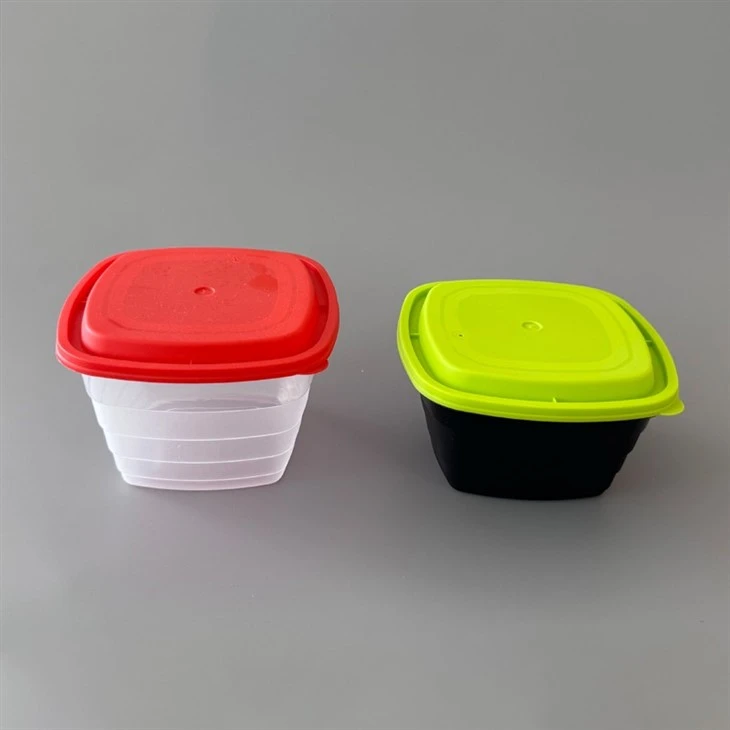
Bowl Mould
Mold Base Material: P20
Runner: Needle Valve Hot Runner
zhenke mould: Your Professional Bowl Mould manufacturer
High Return on Investment
The molds we produce adopt a needle valve hot runner system, which helps to accurately control the flow of melt, providing customers with higher production efficiency and lower production costs.
Strict Quality Inspection
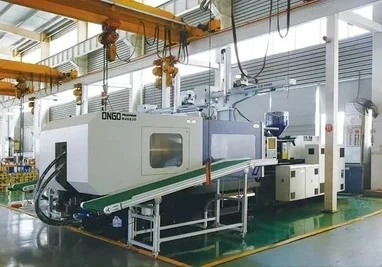
We use 7 injection molding machines of various sizes to conduct mold trials to check whether the mold is running well. We will be responsible for any quality issues.
Advanced Processing Equipment
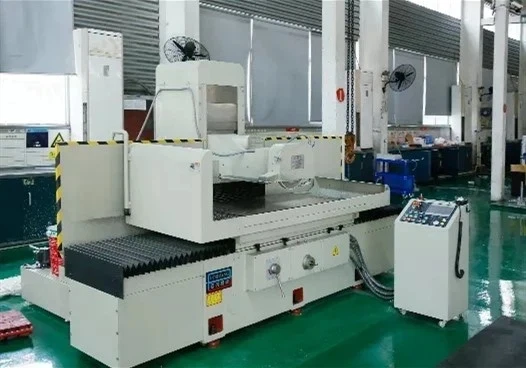
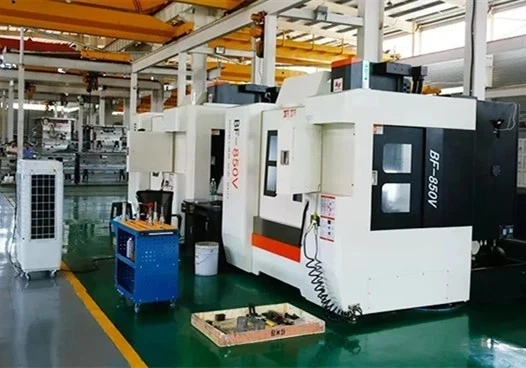
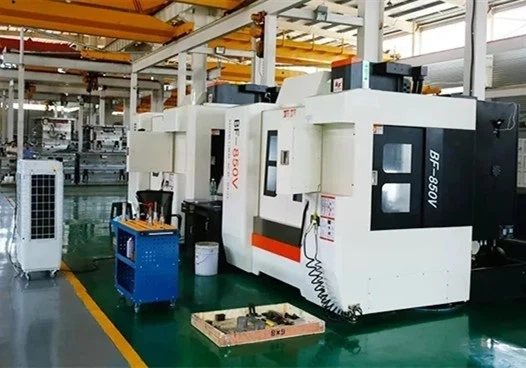
Zhenke Mold currently has more than 20 sets of various mold steel processing equipment such as CNC machine tools. Mold assembly machines can replace manual assembly of large molds, thereby improving mold quality.
about our plastic bowl mould
We design and manufacture bowl mould of different sizes and styles for our customers. The products made by the bowl mold are commonly used to hold noodles, soup and other foods. Bowl mould products are green because they can be recycled, reused, safely used in any food, and are safe to microwave. The product is airtight and leak-proof, perfect for wet or moist foods such as pasta with sauce.
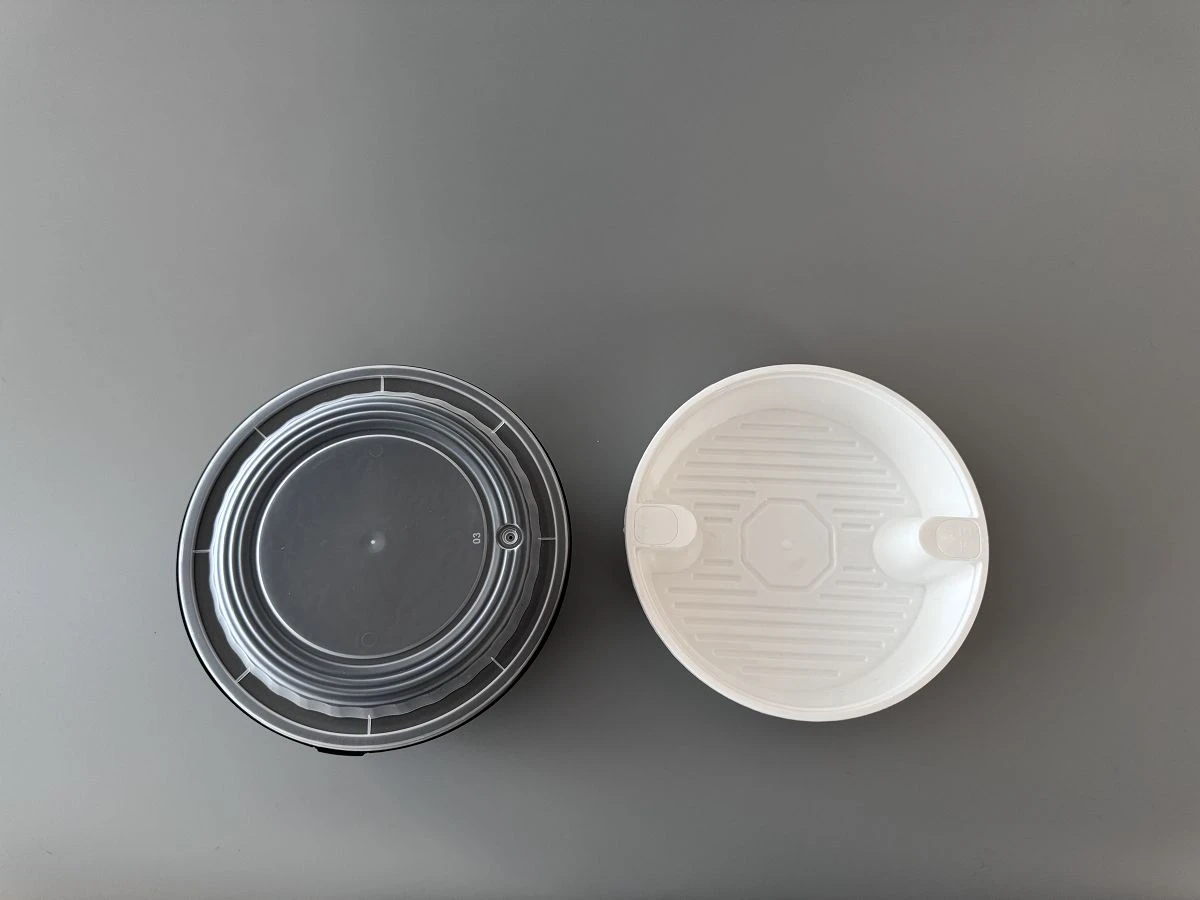
Technical difficulties of plastic thin-wall molds
● Plastic thin-wall mold manufacturing is a sophisticated and complex process that requires a high level of expertise and experience. The main difficulty lies in designing the mold structure to ensure the perfect filling, cooling and demoulding of the plastic material.
● Precision machining is another crucial factor in completing a high-quality thin-wall mold. It requires advanced equipment and machining techniques to achieve the required surface finish and dimensional accuracy. Additionally, the surface must be treated with special coatings or finishes to prevent wear and damage during production.
● Despite the challenges, plastic thin-wall mold making provides many benefits, including reduced material usage, shorter cycle times, and increased production efficiency. With continued advancements in technology and expertise, the process will only continue to improve and evolve, making quality plastic products more accessible and affordable for all.
Our thin-wall bowl mould design steps & principles
1. Demand Analysis and Product Design
Product Specification Determination: First, we need to determine the specific size, shape, wall thickness and other key parameters of the thin-walled bowl according to customer or market demand. Common thin-walled bowl product specifications include depth, diameter, wall thickness, edge design, etc.
The wall thickness of the thin-walled bowl is generally between 0.3mm and 1.5mm. The design of the thin-walled bowl needs to ensure sufficient strength during use, especially the bottom and edges need special attention. Our designers often thicken the bottom design to enhance the structural strength, but the upper edge can be thinner.
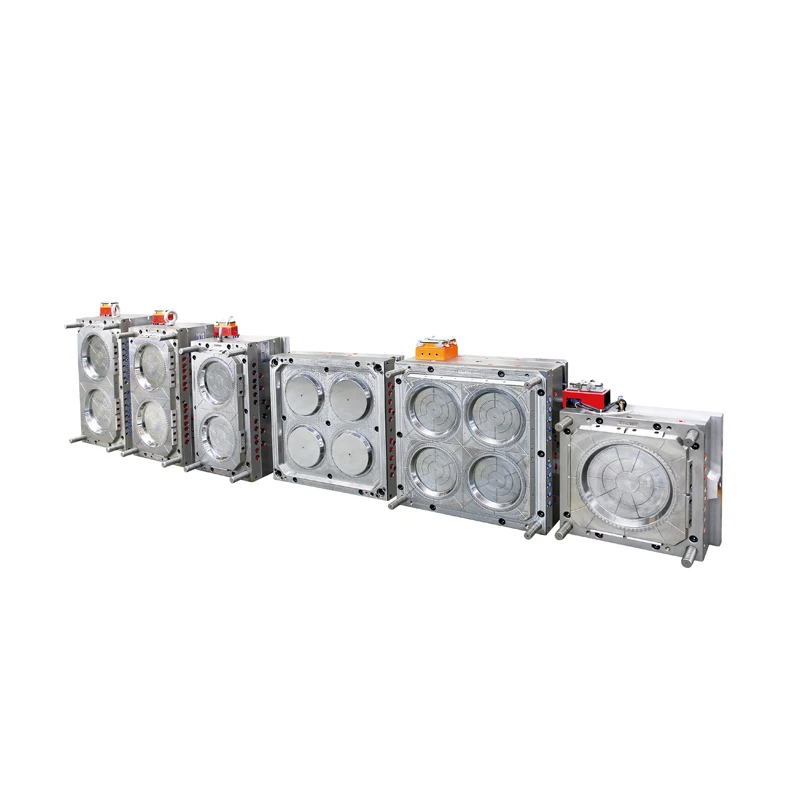
2. Mold Design
Mold Type Selection: This thin-walled bowl usually uses an injection mold. Common mold types include two-plate molds, three-plate molds, etc. We generally use two-plate molds.
Mold Cavity Design:
According to the customer's production volume and production efficiency requirements, we can design single-cavity molds or multi-cavity molds. Multi-cavity molds can produce multiple thin-walled bowls at the same time, which can more effectively improve production efficiency.
Mold Shape:
When designing the mold cavity of the mold, it is necessary to determine the structure of the mold according to the shape of the bowl. So our designers use CAD software to preliminarily design the shape of the bowl and mold.
Gate and runner design:
Our thin-walled bowl molds usually use annular gates to fill the mold more evenly.
Runner design:
To reduce flow resistance, we generally design the runners to be shorter and wider.
Cooling system design:
Since the wall thickness of thin-walled bowls is thin, the design of the cooling system is crucial. So when we design, we will evenly distribute the cooling system circuits around the mold cavity, especially the thin-walled part of the mold cavity.
3. Mold material selection
We will choose mold steel with high wear resistance, corrosion resistance and good processability. Commonly used mold steels include P20, H13, S136, etc. The specific material selection should be determined according to the characteristics of the injection molding material and the use environment.
Surface treatment: Our mold steel is usually surface treated to improve wear resistance. For example, nitriding, chrome plating and other processes are used to increase the service life of the mold. The surface can also be treated according to the treatment method required by the customer.
Common Materials Compatible with Plastic Bowl Mould
- Polypropylene (PP): Lightweight, durable, and chemically resistant, widely used in disposable tableware and kitchenware.
- Polystyrene (PS): Transparent and rigid, easy to process, commonly used in disposable bowls and food packaging.
- Polyethylene (PE): High strength and chemical resistance, suitable for storage bowls and food containers.
- Polycarbonate (PC): High transparency and impact resistance, suitable for making durable and transparent kitchenware.
- ABS: Good rigidity and impact resistance, often used to make durable tableware and containers.
- Polyethylene terephthalate (PET): High strength and durability, often used in reusable containers and food packaging.
- Nylon (PA): High strength, wear resistance and good chemical resistance, suitable for industrial use.
- Polyoxymethylene (POM): High strength and good wear resistance, suitable for precision and durable products.
- Thermoplastic elastomer (TPE): Combining the characteristics of rubber and plastic, soft and durable, often used in children's utensils and anti-slip products.
- Biodegradable plastic (PLA): Made from renewable resources, it is environmentally friendly and suitable for disposable tableware, but it is relatively brittle.
Considerations When Choosing Materials for Plastic Bowl Molds:
- Melt Temperature: Different plastics have different melt temperatures, which directly impacts the mold material and mold design. For example, polypropylene and polystyrene have relatively lower melt temperatures, which may allow the use of less expensive mold steels.
- Material Flow: The flow characteristics of the chosen material should align with the design of the mold. Thin-walled products like bowls require materials that can flow easily to fill the cavity evenly.
- Strength and Durability: For long-lasting or reusable plastic bowls, stronger materials like polycarbonate, ABS, or nylon may be preferred. For single-use or disposable bowls, lighter, cheaper materials like polypropylene or polystyrene are often used.
- Food Safety: Ensure that the selected material is safe for food contact, as certain plastics may release harmful chemicals or not be food-grade.
- Environmental Considerations: With the increasing demand for eco-friendly products, biodegradable plastics like PLA are gaining popularity for single-use bowls.
maintenance tips for Plastic Bowl Mould
Regular cleaning: Clean the mold before and after production, avoid using harsh cleaning agents, and remove residual plastic and impurities.
Lubrication: Regularly lubricate moving parts (such as sliders, ejector pins, etc.) to reduce friction and avoid wear.
Check wear: Regularly check the mold for cracks, corrosion or wear, especially the ejector pins and high-pressure areas.
Alignment check: Ensure the mold is aligned to avoid uneven pressure, and check whether the clamping bolts and screws are tight.
Prevent moisture: Keep the mold dry after cleaning to avoid rust and store in a dry environment.
Regular inspection: Implement regular inspections, record maintenance logs, and deal with problems in a timely manner.
Avoid overload: Follow the injection molding cycle and pressure specifications to avoid overload work.
Polishing and repair: Polish the mold surface regularly, repair scratches and dents in time, and keep it smooth.
Our factory
FAQ
Q: Can you reuse plastic bowls?
A: According to National Geographic's The Green Guide, plastics #2, #4 and #5 are the safest for repeatedly storing your food. If you reuse items made from plastics #1, #3, #6 and #7 (some Tupperware products are made from #7), you run the risk of having toxic chemicals leach into the contents.
Q: Why is it bad to heat food in plastic?
A: According to the World Health Organization (WHO), microwaving food is generally safe. However, microwaving in plastic containers is associated with increased leaching - the transfer or leaking of chemicals into food. Note that even if a plastic container is labeled "microwave safe," that simply means it won't melt.
Q: How to know if a bowl is heat safe?
A: In order to identify if your plate, pot, cup or bowl is oven safe, you need to look for a special Oven-Safe symbol underneath. Some examples of the types of materials that are oven safe are: Metals such as stainless steel and cast iron. Avoid items with non-metal parts such as wooden or plastic handles.
Q: When should you throw away plastic containers?
A: If a container is scratched or cracked, it's time to toss it. Cracks can jeopardize the integrity of the container and foster harmful bacteria. Punctured: Leaking storage containers will not only create a mess, but it will be impossible to safely transport food.
Q: What is the safest plastic for food?
A: When you do use plastics, look for these resin codes which are considered safer: #2 HDPE, #4 LDPE, and #5 PP. Examples of #2 HDPE (high density polyethylene) include: bottled milk, water and juice, yogurt cups, and some plastic bags.
Hot Tags: bowl mould, China bowl mould manufacturers, suppliers, factory, Round Container Mold, Ice Cream Container Mould, IML Container Mold, Mineral Water Preform Mould, 64 Cavity Preform Mold, Ice Cream Bucket Mold
Previous
Lunch Box MoldYou Might Also Like


Send Inquiry