


Cup Mold
Taizhou Zhenke Thin Wall Mold Co., Ltd. is a manufacturer specializing in the production of thin-wall molds, PET preform molds, and packaging molds for medical and high-end daily chemicals. Our company currently has more than 40 senior technical personnel and is a young and dynamic technology-based factory. We provide customers with comprehensive services such as product processing solutions, technical guidance, and after-sales maintenance.
Our Advantages
Advanced Processing Equipment
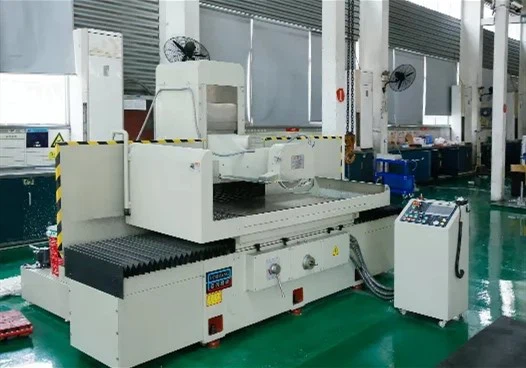
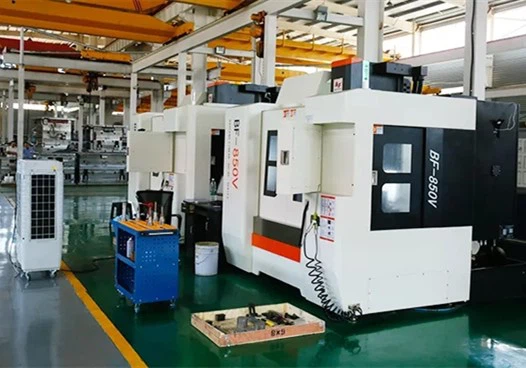
Zhenke Mold currently has more than 20 sets of various mold steel processing equipment such as CNC machine tools. Mold assembly machines can replace manual assembly of large molds, thereby improving mold quality.
Strict Quality Inspection
We use 7 injection molding machines of various sizes to conduct mold trials to check whether the mold is running well. We will be responsible for any quality issues.
High Return on Investment
The molds we produce adopt a needle valve hot runner system, which helps to accurately control the flow of melt, providing customers with higher production efficiency and lower production costs.
Wide Range of Services
Our company has more than five years of experience in mold design and production. Since its birth, it has provided products and services to more than 30 countries and regions around the world and has more than 100 partners.


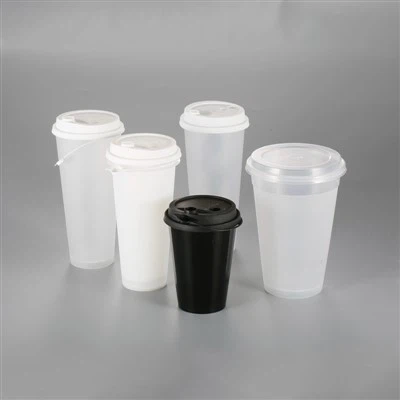

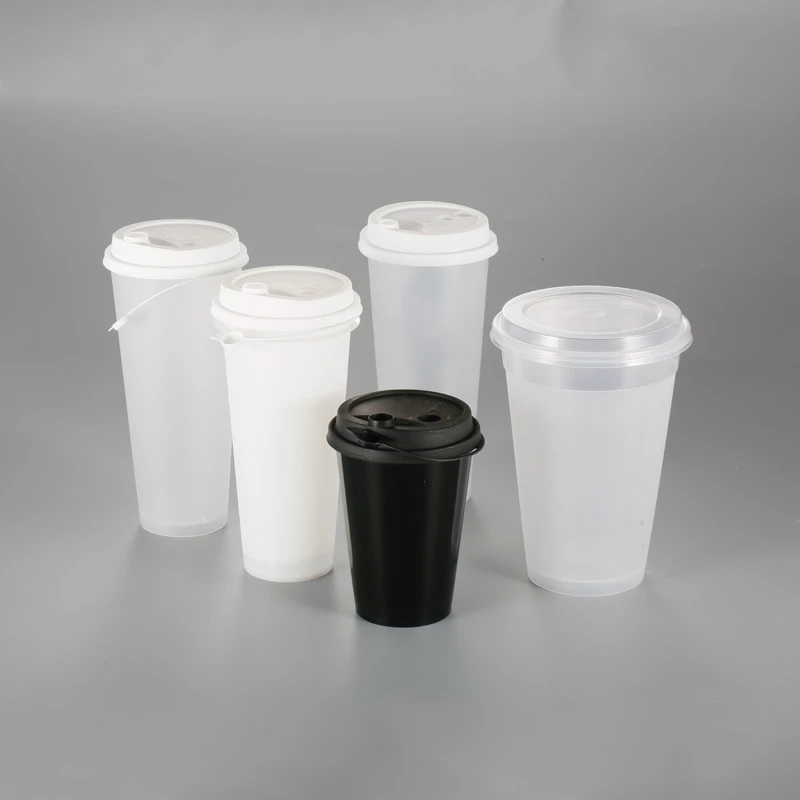
A cup mold is a specialized tool used in manufacturing to produce cups through techniques like injection molding. Cup molds are designed to create cups of various sizes, shapes, and materials. They are typically made from high-grade steel or aluminum to ensure durability and withstand the high temperatures and pressures involved in the molding process.
Advantages of Cup Mold for Injection Molding
It Allows for Complex Geometries with Tight Tolerances.
Injection molding with Cup Molds allows for large volumes of uniform, complex parts. However, you must pay attention to vent and gate placements, weld lines, corner transitions, wall thickness, rib and boss design, and more to ease ejection and achieve precise parts. With injection molding, you can easily achieve repeatable part tolerances of ± 0.500 mm (0.020’’). In some cases, you can even produce parts with tolerances of ± 0.125 mm (0.005’’), giving you parts that are accurate enough for most applications and comparable to 3D-printed or CNC machined parts.
It’s Compatible with a Wide Range of Materials and Colors.
Today, there are over 25,000 engineered materials that are compatible with Cup Molds, including thermoplastics, thermosets, resins, and silicones. With all of these options, you’ll be able to find one that offers the right balance of physical, mechanical, and chemical properties. Commonly used materials include acrylonitrile butadiene styrene (ABS), polyethylene (PE), polystyrene (PS), and polypropylene (PP). You can also use a mixture of materials to produce a part with the strength, impact resistance, or stiffness you need. For example, you might add glass fibers to your thermoplastic to create a strength-enhancing composite.
It’s Very Efficient.
While it can take several minutes — or even hours — to 3D print or CNC machine a single part, most injection molding cycles only last 10 to 60 seconds. Even if you have a complex geometry that takes around 120 seconds to mold, you can include several smaller parts in one larger mold. This helps maximize efficiency and gets the most out of each mold, allowing you to create hundreds of identical parts an hour at a low cost.
It Offers High Repeatability and Reliability.
One of the main benefits of plastic injection molding is its high repeatability. Once you’ve created your Cup Mold you can produce thousands of products before needing to maintain your tooling. An aluminum mold will generally last between 5,000 and 10,000 cycles, and a full-scale steel production mold can last for over 100,000 cycles. Plus, since injection molding uses the same mold for each part, you’ll have identical products.
You Can Reuse Material.
Though injection molding generates less post-production material waste than many other manufacturing processes, it still creates excess scraps. However, you can easily regrind, melt, and reuse any sprues, runners, or other leftover plastic parts to save on material and reduce material waste.
Application of Cup Mold

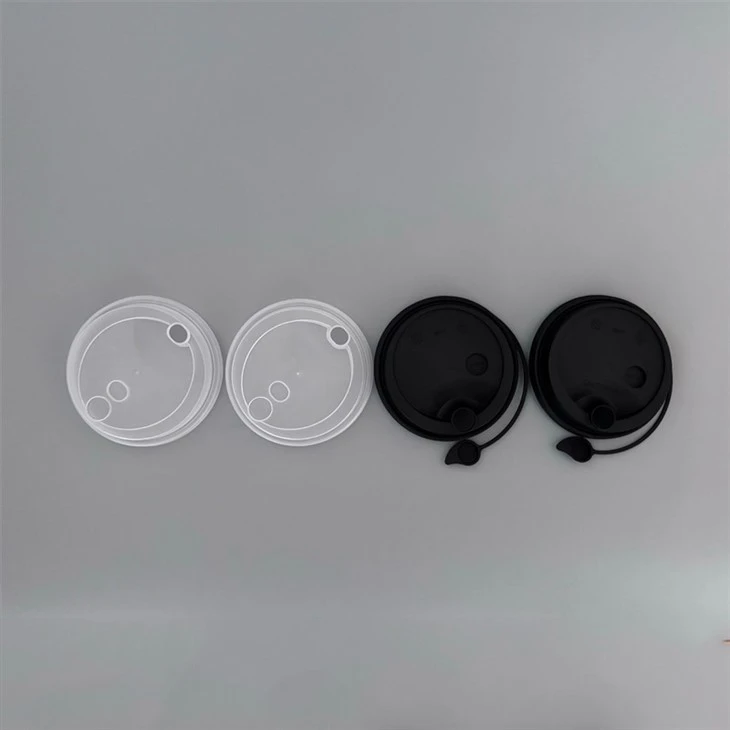

Food and Beverage Industry
Cup molds are widely used in the food and beverage industry for producing disposable or reusable plastic cups for hot and cold beverages. These cups are used in restaurants, cafes, fast food chains, catering services, and other food establishments.
Hospitality and Events
Cup molds are used to manufacture cups for hotels, resorts, banquet halls, and event management companies. These cups are used for serving beverages at conferences, parties, weddings, and other social gatherings.
Retail and Supermarkets
Cup molds produce plastic cups for retail stores and supermarkets. These cups are used for packaging and selling beverages, such as soft drinks, juices, and water, in various sizes and quantities.
Institutional and Educational Facilities
Cup molds are used to manufacture cups for schools, colleges, universities, and other educational institutions. These cups are commonly used in cafeterias, student dining areas, and vending machines.
Common Materials Compatible with Cup Mold
PP - Polypropylene
Polypropylene is an inexpensive resin option with high impact resistance. However, it can be brittle in colder temperatures. Despite this, it is water-resistant, flexible, and resistant to acids. Another unique characteristic of PP is its ability to be bent frequently without breaking, meaning it is widely used for living hinges – these are thin pieces of plastic used commonly for the lids of popular consumer items such as bottles of shampoo or sauce bottles. This uniquely adept polymer is also a suitable replacement for POM for low friction applications due to its relatively slippery surface. Additionally, its low density means there are weight savings for the manufacturer, making it a cost-efficient choice. Aside from consumer items mentioned previously, this thermoplastic is also used for dishwasher safe plates, Tupperware containers, cling film, sandwich bags and yoghurt pots.
PBT - Polybutylene Terephthalate
PBT has good insulating properties, which is ideal for electrical components. It is also a good polymer to use for automotive applications. PBT offers good resistance to fuels, oils, and solvents with moderate to high strength. Furthermore, it does not absorb flavours, meaning it is a good choice for coffee makers and toasters. Its high resistance to heat also makes it a popular choice for hairdryers, electric cookers and vacuum cleaners.
PPSU - Polyphenylsulfone
This rigid and tough thermoplastic is often used for high-end products due to its excellent mechanical qualities. PPSU possesses dielectric (insulative) characteristics, and with a high operating temperature, PPSU is a dimensionally stable material. It also offers resistance to radiation and acids. This makes PPSU a popular choice for medical components, sterilisation trays, automotive fuses, aircraft interiors, automotive parts, hot water fittings and electrical sockets. However, PPSU is sensitive to voids and bubbles caused by thicker sections in part geometries. Hydrocarbons can also weaken PPSU.
Steel Materials of Cup Mold
P20 Pre-Hardened Tool Steel
The most popular mold steel for plastic injection molding is P-20 Steel, which has strong wear resistance and is reasonably priced. It is a pre-hardened injection mold steel material, which implies it is prepared for usage in the mold when it leaves the factory hardened to a certain hardness. P-20 is perfect for applications requiring high production volumes and shallow cavity molds.
H13 Tool Steel
A type of hot work tool moulding steel called H-13 Steel is made to withstand wear and thermal fatigue. It is perfect for high-heat applications and deep cavity molds since it is substantially harder than P-20 steel. Additionally, more costly than P-20 steel, it is typically employed in big-volume manufacturing. H13 is employed in numerous cold work tooling applications due to its high toughness and excellent heat treatment resilience. The steel H-13 is a multipurpose material with exceptional tensile characteristics, surface texturing, abrasion resistance and hardness.
S7 Pre-Hardened Tool Steel
S7 Steel is a shock-resistant tool steel designed to endure significant impacts and vibrations. It is frequently employed in die-cast molds and other purposes that require high stress and vibration resistance.
420 Stainless Steel
A corrosion-resistant and heat-treatable variety of stainless steel is called 420 Steel. Because of its low cost and resistance to corrosion, it is frequently used by medical plastic injection molding producer and food-grade plastic injection molding producer. Compared to other mould materials, it is softer and good for high-volume manufacturing.
Maintenance Tips for Cup Mold
Perform Basic Maintenance Checks Before and After Each Production Cycle.
Before starting a new production cycle, it is important to thoroughly inspect the injection molds. Examine the surfaces of the injection molding die to make sure they are free of plastic or contaminants. Any foreign debris may cause interference when the tool clamps down and cause the plastic to seep into the parting area during mold injection. You should also be on the lookout for anomalous marks or damage on the mold’s surfaces. It is also good practice to inspect the final part from the previous cycle. This will be a good indicator of the mold’s performance. For example, excessive flash on the parting line may mean that the injection mold cavity and core are not clamping down correctly.
Clean the Mold Core and Cavity.
Clean your mold after each production cycle to prevent the build-up of foreign materials. Cleaning can be done with the injection mold tool in the press or on the bench. Press mold cleaning is done after each production run, while on-bench cleaning takes place alongside major injection molding maintenance activities and is not done as frequently. Some resins will foul the molds quicker than others, so your cleaning cycle will depend heavily on the resin used. Wipe down the mold with a standard degreaser or mild solvent using a cotton cloth. Other techniques like dry ice blasting can help you clean the mold in place without leaving any residue. If the plastic molding tool has been removed from the machine for more extensive maintenance, it must be disassembled, and each part cleaned individually. One of the more efficient methods for doing so is to clean the parts in an ultrasonic bath. This allows you to clean every surface—even cooling channels and mold vents—that are hard to reach. The mold material must be carefully considered as some materials are not conducive to ultrasonic cleaning. In this case, traditional cleaning techniques must be employed.
Blow out Dust, Dirt, and Water with Compressed Air
It is important to remove any dirt or dust that has settled on the mold surface during cleaning. The water used to clean the mold can also leave stubborn scale marks when it dries, especially on highly polished molds. The molds should be dried as soon as possible after cleaning. An injection molding technician can use compressed air to accomplish this. Cooling channels must also be blown dry as water can easily get trapped in these channels. Anti-rust coatings will make debris like dust or cotton fibers stick to the injection mold die surface. They may later end up on the injection molded parts, so care should be taken to carefully inspect the mold surfaces afterward.
Check the Mold's Runners, Sprues, and Other Places
It's important to inspect the quality of the mold runners, sprues, gates, and vents. All these features are critical to efficient production. Wear and material build-up are two of the most common failure modes and can cause parts to stick to the injection molding tools. Molds are most likely to wear at the plastic’s entry gate, so this area should be thoroughly inspected. Make sure there are no plastic buildup or surface blemishes on the runner or sprue, as these may impede the flow of plastic and cause sticking. Scratches from previous attempts to remove stuck plastic can further exacerbate the problem, causing future plastic to stick more easily. Sprues and runners must be cleaned and re-polished if flaws are found. Check that the hot runner nozzle tips are free of burrs.
Examine the Mold's Connectors and Hardware
Check all cooling water hoses, pipe connectors, and threads to ensure that there are no leaks. Remove pipes and fittings and clean off any potential build-up of calcium or other deposits. If the mold is not removed, ensure that all the bolts connecting the mold to the platen plates are properly torqued. If the mold is removed, inspect the platen plates for warping and rusting. Dents and burrs on the platen can damage the mold and reduce its effective lifespan. Any small burrs or other defects must be removed with a polishing stone or similar tool. Due to the softer metal of the platen, the mold fastening hole threads can get damaged over time, so these should be periodically checked. The use of a torque wrench is recommended to prevent over-tensioning damage to the threads. Check the platen for any deformation.
Before Storing the Mold, Make Sure It's Totally Dry
If the mold is to be stored for an extended period, it must be fully dried and protected beforehand. Moisture can cause corrosion even if the mold is sealed. Drying can be done with compressed air. An additional rust inhibitor is then needed—spray the entire mold to protect it from atmospheric moisture.
Factors to Consider Before Choosing a Cup Mold
Mold Construction Requirements
You need the injection molding details, such as the number of products that will be produced at once and know the long-term production goals. This will determine the number of cavities the mold will have. Although a mold is generally summarized to have “two halves”, a cavity side and a core side, there are numerous Thin Wall parts that make up each half. Select a mold maker that can replicate your mold construction requirements.
Mold Design
The design of the mold has a large impact on its cost. The process requires a lot of pressure when the plastic is injected into the mold cavities. Without these high pressures, the molded products won’t come out with smooth surface finishes and will not be dimensionally correct. So the mold must be designed with tough materials that can withstand the pressures. Your preferred mold manufacturer should be vast with different design patterns and the conditions that coke with them.
Mold Materials
Understanding your material specifications is essential. The mold maker should recommend the best type of plastic material for your injection molding application because many types of plastics will need to be molded in tools made of certain types of metal. For example, products made from propylene can be made with light metal molds, but polycarbonate is a very rigid material that takes more time to melt, meaning that it must be used in a hard metal mold that can resist heat.
Lifetime Warranty of Mold Tooling
Another cogent factor you need to consider is the production life of the mold. Choose an injection mold maker that guarantees renewal or some sort of compensation in case the mold stops functioning within a short time. The tooling cost used in making molds are expensive so it’s only right that there is some warranty attached.
Our Factory
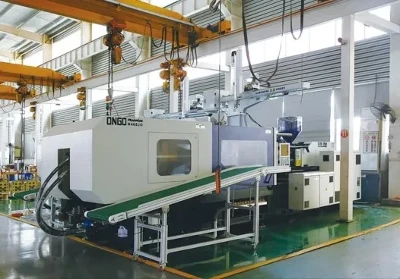
Zhenke Mold is a company that can manufacture Thin Wall molds and has many years of experience in mold design and production. 23,000 square meters of construction area and advanced equipment enable our factory to quickly create value for customers.
Ultimate FAQ Guide to Cup Mold
Q: What is the manufacturing process for thermoforming cups?
Q: What is single cavity cup mold?
Q: What is multi-cavity Cup Mold?
Q: What are the advantages of Cup Mold with hot runner?
Q: What is the difference between double plate and triple plate Cup Mold?
Two plate injection molds consist of both a cavity plate and a core plate. The cavity plate holds the hollow part of the mold which shapes the final product. The core plate contains the mold’s center, which helps fashion the inner features of the part being produced. These molds are less complicated than other varieties, which leads to lower start-up costs.
Three Plate
Similar to two plate molds, these feature the addition of a runner plate that separates the mold into two halves, allowing for more complex geometries and streamlined ejection. This makes it easier to remove sprues, runners and finished pieces without the need for additional slides or side actions. Three plate molds are best for intricate parts and can reduce the risk of damage during ejection. However, they are more complex and expensive to manufacture and maintain than more basic molds.
Q: What is plastic injection mold making?
Q: What materials are cup molds made from?
Q: Is cup Mold Making important?
Thin Wall and Accuracy
While there is always a high probability of making mistakes with plastic product production, custom molds ensure that the manufacturing process is smooth and the plastic product comes out in the exact form envisioned. No specification will be compromised; not even the shape, weight, tolerance, etc.
Strength
One of the responsibilities of a mold maker company is to fabricate a durable mold that can last the test of time. Since the mold is strong, it can be used to make continuous production without incurring extra costs of making a new mold.
Fast Production
Custom molds enable plastic product manufacturers to produce freely without doing any guesswork. This allows for high-volume production within a short time.
Q: What types of cups can be produced using cup molds?
Q: Can injection molds be reused?
Q: Do injection molds need vents?
Q: Can cup molds be used for different cup sizes?