


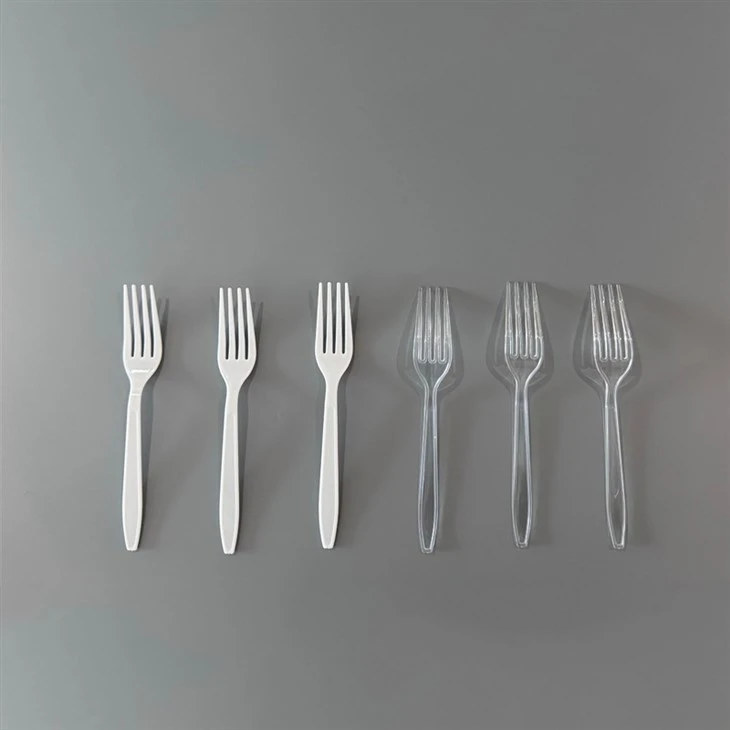
Plastic Fork Mould
Mold Base Material: P20
Runner: Needle Valve Hot Runner
Cavity: 48
Zhenke Precision Mold: Your Professional Plastic Fork Mould Manufacturer!
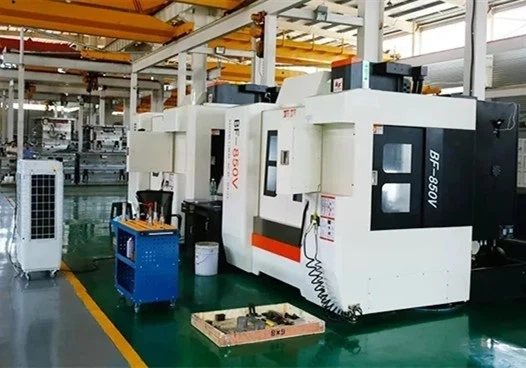
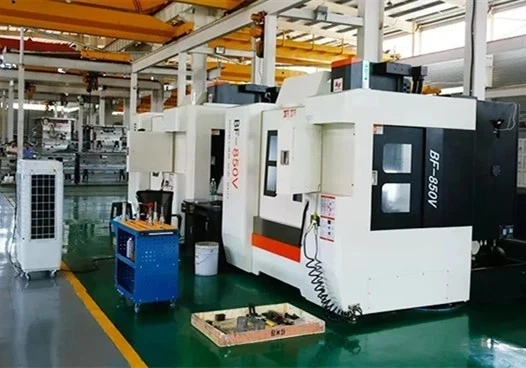
Advanced Processing Equipment
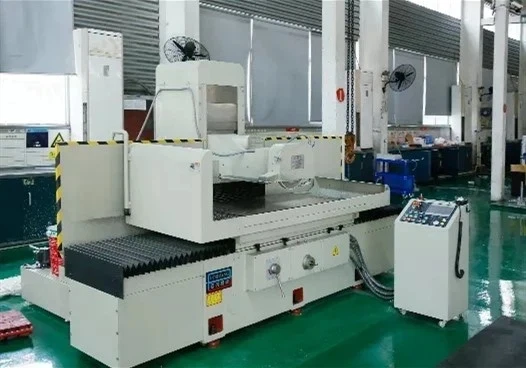
Zhenke Mold currently has more than 20 sets of various mold steel processing equipment such as CNC machine tools. Mold assembly machines can replace manual assembly of large molds, thereby improving mold quality.
Strict Quality Inspection
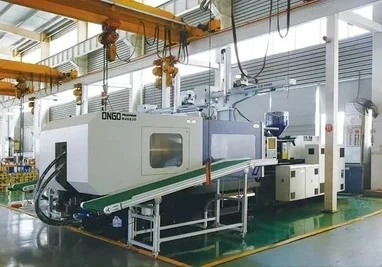
We use 7 injection molding machines of various sizes to conduct mold trials to check whether the mold is running well. We will be responsible for any quality issues.
High Return on Investment
The molds we produce adopt a needle valve hot runner system, which helps to accurately control the flow of melt, providing customers with higher production efficiency and lower production costs.
Wide Range of Services
Our company has more than five years of experience in mold design and production. Since its birth, it has provided products and services to more than 30 countries and regions around the world and has more than 100 partners.
About Zhenke plastic fork Mould
We manufacture several kinds of thin-wall disposable tableware and container mold. The plastic fork mould produced by us has good quality and environmentally friendly materials, which can meet the packaging needs of customers in the catering industry. Disposable plastic fork mould products have been maximized in take-out and fast food industries.
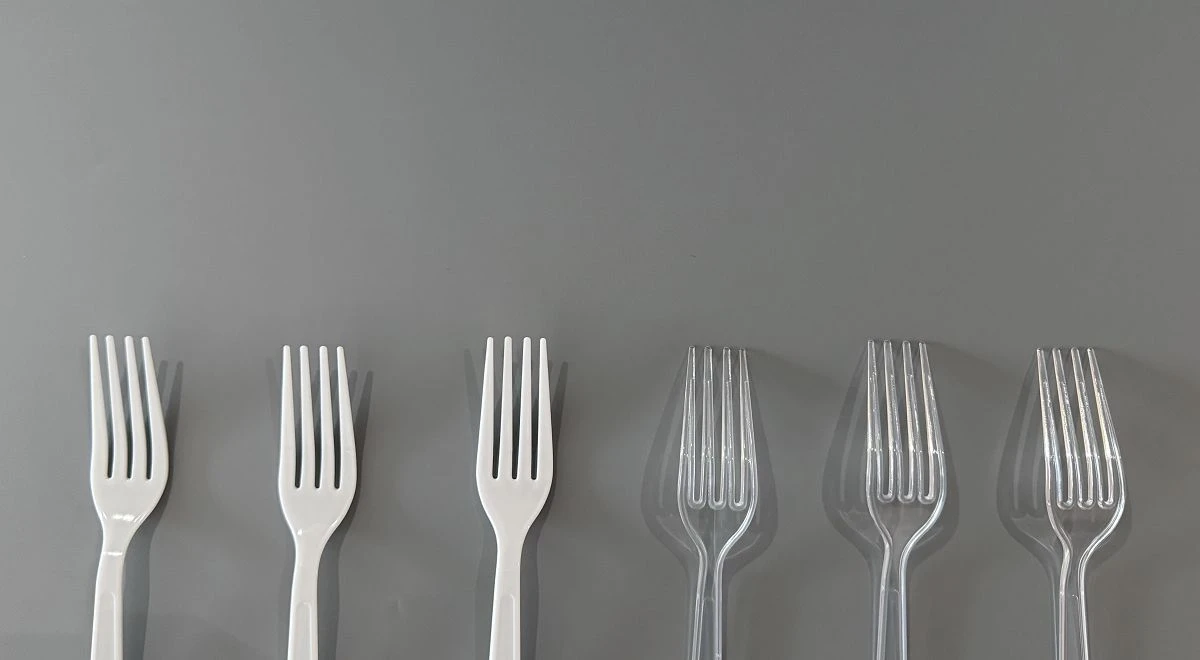
Applications of plastic fork
- Takeaway and Fast Food Industry: Plastic forks are often used in takeaway packaging, fast food restaurants and buffets to facilitate customers to eat salads, pasta, main dishes, etc.
- Restaurants and Cafes: Many restaurants use disposable plastic forks, especially in temporary or fast-food restaurants, cafes or snack stands.
- Food Processing: During production and processing, plastic forks can be used as food handling tools to sample, carry or distribute ingredients.
- Packaging Companies: Used to provide disposable tableware for pre-packaged foods (such as salads, ready meals, etc.).
- Weddings, parties, exhibitions and other events: Plastic forks are widely used as disposable tableware in large events, especially for buffets, light meals or fast food gatherings. They are convenient, fast and low-cost.
- Airline catering services: Airplane meals are usually equipped with plastic forks and other disposable tableware to facilitate passengers to eat in the cabin.
- Long-distance coach and train catering services: Similarly, catering on long-distance transportation vehicles also often uses plastic forks as disposable tools.
- Convenience stores, supermarkets: In the retail industry, plastic forks are often provided with pre-packaged foods or sold to consumers as a convenience tool.
6 Medical Industry
- Hospitals and clinics: In some cases, plastic forks can also be used as disposable tableware in medical environments, especially when providing meals to patients in hospitals.
Plastic fork mould design
1. Demand analysis and design preparation
- Determine product specifications: First, we will clarify with customers the specific size, shape, functional requirements (such as whether it needs to meet food-grade safety standards), materials (such as polypropylene, polystyrene, etc.) and surface requirements (such as smoothness, texture, etc.) of the customized plastic fork.
- Choose suitable plastic materials: According to the use scenario and food contact requirements of the fork, choose suitable plastic materials, such as polypropylene (PP), polystyrene (PS), low-density polyethylene (LDPE), etc. Because each material has different fluidity and molding characteristics, the corresponding mold material should be selected.
2. Mold design
- Design CAD drawings: Our designers will use CAD software (such as SolidWorks, AutoCAD) to carry out detailed design of the fork mold and draw a 3D model of the part, including every detail of the fork, such as the shape of the tines, the curvature of the handle, etc.
- Determine the mold type: The customer chooses the appropriate mold type, usually an injection mold. According to the production scale and the complexity of the product design, decide whether to choose a single-type mold or a multi-type mold.
3. Mold structure design
- Mold parting surface design: The parting surface is the contact surface when the mold is closed. Choosing a reasonable parting surface position is crucial for mold manufacturing. Avoid obvious demolding marks or appearance effects on the mold parting surface.
- Cooling system design: Our injection molds are equipped with an effective cooling system to ensure uniform cooling of the product during the molding process. And we will reasonably layout the cooling water channel to reduce the deformation caused by uneven plastic cooling.
- Exhaust system design: Plastics will produce gas or water vapor during injection molding. We will design a reasonable exhaust system in the mold to avoid injection defects (such as bubbles or burning).
Our quality control in the whole process
1. Quality control in the mold design stage
- Design review and verification: During the mold design stage, we will conduct multiple design reviews to ensure that the mold structure, size, tolerance, material selection, etc. meet customer requirements and production feasibility. Designers use advanced computer-aided design (CAD) and computer-aided engineering analysis (CAE) tools to simulate and analyze the mold, including flow channel analysis, cooling system analysis, stress analysis, etc.
- Standardized design: Ensure that the mold design follows international or industry standards and uses common standard parts (such as standard mold guide pins, guide sleeves, etc.) to improve the interchangeability and maintainability of the mold.
2. Quality control of mold material selection
- Material selection: Select appropriate mold steel according to the use environment of the plastic fork product (such as contact with food, bearing a certain pressure, etc.). For example, use mold steel with good wear resistance and corrosion resistance, such as P20, H13, S136, etc.
- Material quality inspection: When purchasing mold steel, ensure that it meets the standards, conduct material quality inspection, and check whether indicators such as hardness and tensile strength meet the standards.
3. Quality control of mold manufacturing process
- CNC machining precision control: The factory uses high-precision CNC machine tools for mold processing to ensure that the machining precision of each part meets the design requirements. Especially in the details of the plastic fork mold (such as parting surface, injection port, cooling channel, etc.), the machining precision needs to be strictly controlled.
- Electrodischarge machining and polishing: Use electrodischarge machining (EDM) to process complex holes and details to ensure accuracy and meticulousness. At the same time, polish the mold surface to reduce friction, improve the surface quality of the finished product, and prevent the surface defects of the mold from affecting the surface quality of the plastic fork.
- Mold size detection: Strict size detection of the finished mold parts, using precision equipment such as coordinate measuring machines (CMM) to ensure that the dimensional tolerance of each part meets the design requirements.
4. Quality control of mold assembly and debugging
- Assembly precision control: During the mold assembly process, the staff must ensure the correct matching of all parts to avoid poor mold closure, poor exhaust or demolding difficulties due to errors.
- Mold trial and debugging: After the mold is assembled, we will conduct a mold trial to ensure that the mold can produce qualified plastic fork samples. During the mold trial, the key inspections are:
- Dimensional inspection: Measure the outer dimensions of the sample to ensure that it meets the design specifications.
- Appearance inspection: Check whether the surface of the sample is smooth, with or without bubbles, defects or color differences.
- Functional test: Check whether the plastic fork has the required strength and durability.
- Mold adjustment and optimization: According to the mold trial results, the mold is adjusted, including adjusting the cooling system, injection port position, runner design, etc., to ensure that the mold can stably produce qualified plastic forks.
common materials for plastic fork
Each material has different fluidity and molding characteristics. The mold needs to choose the appropriate mold material according to the material. The following are the materials of common plastic forks:
Polypropylene (PP)
Features: Polypropylene is a common plastic fork material. Due to its excellent heat resistance, strength and chemical stability, it is widely used in food contact products.
Disadvantages:
- Not easy to degrade, has a greater impact on the environment
- Relatively brittle and prone to breakage
01
Polystyrene (PS)
Features: Polystyrene is a low-cost material commonly used in disposable plastic forks, especially in the field of catering takeout and food packaging.
Disadvantages:
- Relatively brittle and easy to break
- Low heat resistance, often can only be used for cold food or room temperature food
- Environmental issues, difficult to degrade, causing pressure on the environment
02
Polyethylene (PE)
Features: Polyethylene is one of the more common plastic materials, divided into low-density polyethylene (LDPE) and high-density polyethylene (HDPE). Although it is mainly used for film packaging, some disposable tableware (such as forks) also use this material.
Disadvantages:
- Poor heat resistance, suitable for room temperature food
- Opaque, large difference in appearance
03
Polycarbonate (PC)
Features: Polycarbonate is a transparent, strong plastic widely used in applications requiring high strength. Although polycarbonate forks are generally more expensive, they have certain applications in high-end catering or reusable tableware.
Disadvantages:
- Higher price
- May contain BPA (bisphenol A), so when using, you need to pay attention to whether it meets food safety standards
04
Biodegradable plastics (such as PLA, PHA)
Features: PLA is usually made from renewable resources such as corn starch or sugarcane.
Disadvantages:
- Higher cost
- Sensitive to temperature, PLA has poor heat resistance and is usually suitable for cold food or room temperature food
05
Nylon (PA)
Features: Nylon is a relatively strong engineering plastic with good toughness and wear resistance. In high-end tableware, there are also forks made of nylon.
Disadvantages:
- High cost, usually used for reusable tableware
- Heavy, suitable for home use rather than disposable tableware
06
Chemical Solutions
Features: ABS is a material commonly used in food packaging and plastic tableware, with good rigidity and impact resistance.
Disadvantages:
- Poor thermal stability, suitable for cold or room temperature food
- Non-degradable, there are certain environmental issues
07
Polyester (PET)
Features: Polyester (usually PET) is a strong, transparent plastic that is often used in food packaging, but in some cases it is also used in high-end tableware.
Disadvantages:
- Easy to deform at high temperatures
- High cost
08
FAQ
Hot Tags: plastic fork mould, China plastic fork mould manufacturers, suppliers, factory, Bowl Mould, 24 Cavity Preform Mould, Bucket Mould, Closure Mould, Storage Container Mold, Wide Mouth Preform Mold
Previous
Plastic Knife MouldYou Might Also Like


Send Inquiry