


Ice Cream Bucket Mold
Taizhou Zhenke Precision Mold Co., Ltd. is a manufacturer specializing in the production of thin-wall molds, PET preform molds, and packaging molds for medical and high-end daily chemicals. Our company currently has more than 40 senior technical personnel and is a young and dynamic technology-based factory. We provide customers with comprehensive services such as product processing solutions, technical guidance, and after-sales maintenance.
Our Advantages
Advanced Processing Equipment
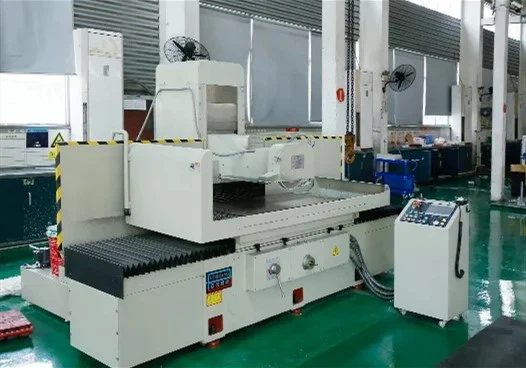
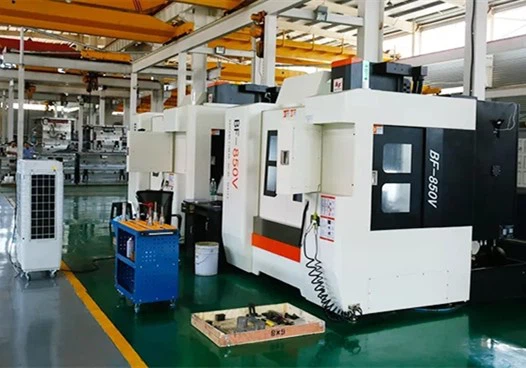
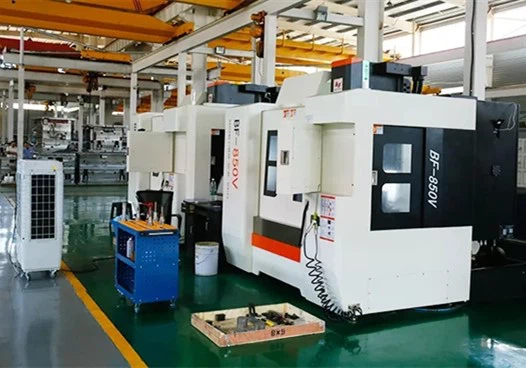
Zhenke Mold currently has more than 20 sets of various mold steel processing equipment such as CNC machine tools. Mold assembly machines can replace manual assembly of large molds, thereby improving mold quality.
Strict Quality Inspection
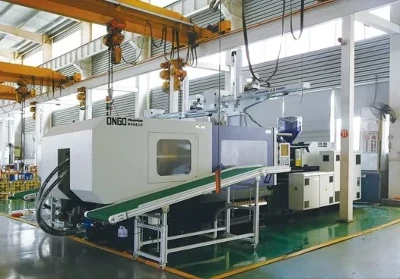
We use 7 injection molding machines of various sizes to conduct mold trials to check whether the mold is running well. We will be responsible for any quality issues.
High Return on Investment
The molds we produce adopt a needle valve hot runner system, which helps to accurately control the flow of melt, providing customers with higher production efficiency and lower production costs.
Wide Range of Services
Our company has more than five years of experience in mold design and production. Since its birth, it has provided products and services to more than 30 countries and regions around the world and has more than 100 partners.
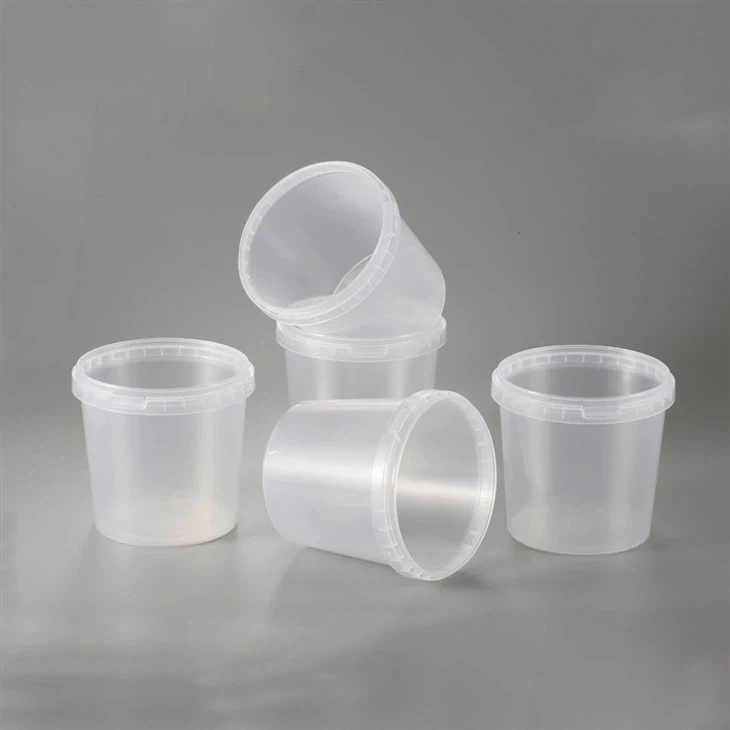
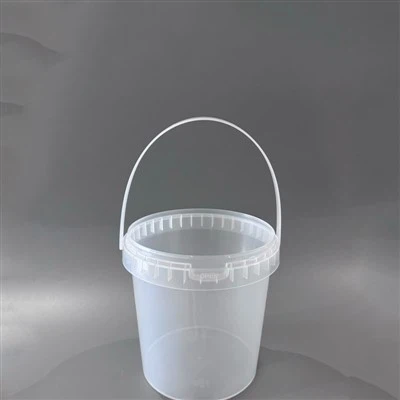
An ice cream bucket mold typically refers to a mold or container used in the manufacturing or shaping of ice cream containers. An ice cream bucket can be used in kitchens, garages, offices, living rooms to store nuts, seeds, flour, etc.
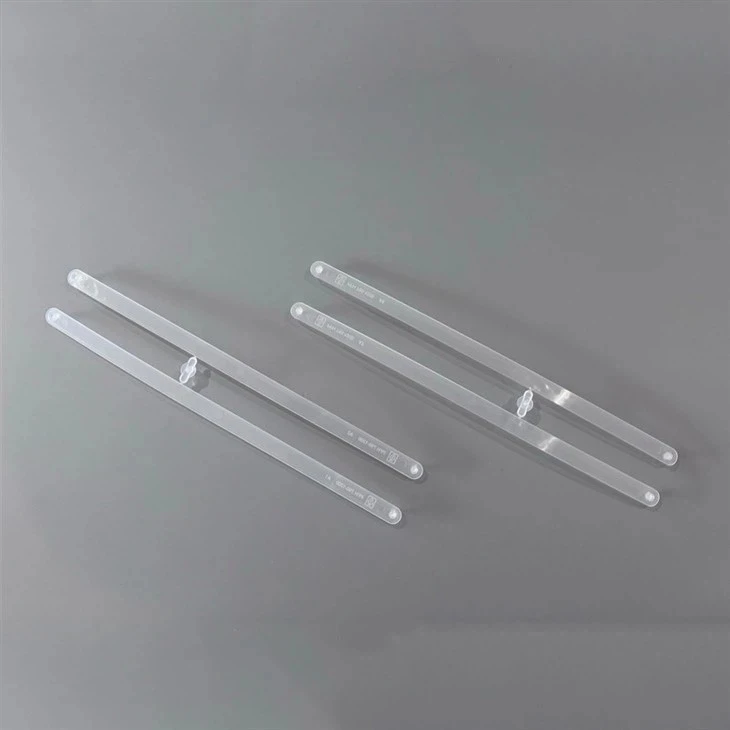
A plastic handle mold refers to a mold used in the manufacturing process of plastic handles. These molds are used to create the desired shape and design of plastic handles. It can be applied to plastic containers such as milk tea cups, ice cream buckets, candy jars, and so on.

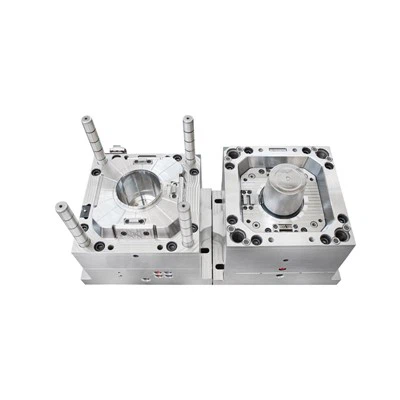
A bucket mold, also known as a pail mold or a container mold, is a specialized mold used in the manufacturing process of buckets or pails. The molds consist of two main components: the core and the cavity. The core forms the inner shape of the bucket, while the cavity creates the outer shape.
Advantages of Buckets Made by Bucket Mould
Durability and Strength
Injection molded plastic buckets are known for their exceptional strength and durability. The molding process ensures that the buckets have a uniform and solid structure, capable of withstanding heavy loads, impact, and rough handling. These attributes make them ideal for storing and transporting a wide range of materials, including paints, chemicals, and food products.
Resistance to Corrosion and Chemicals
One of the key benefits of injection molded plastic buckets is their resistance to corrosion and chemicals. This makes them an excellent choice for industries that deal with aggressive substances such as solvents, acids, and alkalis. The buckets' ability to withstand these elements ensures that the material inside remains uncontaminated and safe for use.
Versatility and Customization Options
Injection molded plastic buckets offer a high level of versatility when it comes to customization. Manufacturers can easily add features such as handles, lids, and labels to meet specific requirements. Moreover, different sizes and shapes can be achieved through the injection molding process, providing customers with a variety of options to choose from.
Cost-Effectiveness
Compared to other materials like metal or glass, bucket moulds offer a cost-effective solution for packaging needs. The manufacturing process of injection molded plastic buckets is efficient and less labor-intensive, resulting in lower production costs. Additionally, plastic buckets are lighter in weight, resulting in reduced shipping expenses.
Application of Bucket Mould


Paint Buckets
Storing and transporting paints. Injection molded paint buckets are commonly made using paint bucket industry.
Food Storage Buckets
Buckets made from PP and PE plastic provide a safe and durable option for food storage.
Thin-Walled Buckets
These containers are used for disposable drink containers and fast food packaging.
Utensil Buckets
Injection molded buckets can also be designed for utensil storage and organization.
Pesticide Buckets
Durable containers for hazardous chemicals, with warnings and instructions for safe handling and disposal.
Lube and Engine oil Buckets
Essential for storing and transporting lubricants and engine oils in various sizes and shapes.
Chemical Products Buckets
Versatile containers for storing and transporting a range of chemical substances, with color-coding and labeling to prevent cross-contamination.
Manufacturing Process of Bucket Mould
The first step in making a plastic bucket injection mold is to design and plan. This step involves determining the dimensions, specifications, and requirements of the mold. It also involves deciding on the type of plastic material to be used in the production process. The design and planning phase is critical to ensure that the mold is functional and optimized for your specific manufacturing needs.
The next step is to select the appropriate materials needed to manufacture the mold. This includes selecting the mold base, mold steel, and other essential components such as hot runners and cooling systems. The material selection process must be carefully done to ensure the final product meets the required specifications.
After completing the design and material selection phase, the mold is then manufactured. This step involves the use of specialized equipment and machinery to cut, shape, and assemble the mold. It is essential to ensure that the mold conforms to the required specifications and meets the necessary quality standards.
Once the mold is completed, it is then tested and validated. This step is crucial to ensure that the mold can produce high-quality products efficiently and consistently. It involves testing the mold with different plastic materials and ensuring that it meets the necessary quality standards.
The final step in making plastic bucket injection molds is production. Once the mold has been tested and validated, it is then used to produce high-quality plastic products. This stage of the process is critical to ensure the efficiency and profitability of the manufacturing process.
Common Materials Compatible with Bucket Mould
Acrylic (PMMA)
Poly (methyl methacrylate), better known as Acrylic, is a thermoplastic material that has decent mechanical strength, is lightweight, and has a clear, see-through appearance. Although not ductile, it sports good shatter resistance. Moreover, one of its biggest strengths is its ease of machinability. After injection molding, acrylic parts are easy to alter and finish.
Acrylonitrile Butadiene Styrene (ABS)
ABS is one of the well-recognized injection molding materials. It has good strength and toughness, impact resistance, and chemical resistance to acids, bases, and oils. It is completely opaque and can be injection molded in many colors. On top of this, it is quite cheap compared to other plastic injection molding materials in this list. ABS is highly suitable for industrial-grade applications like automotive parts and high-impact sports equipment. It is also very popular for rapid prototyping due to its costs and functional capabilities.
Polycarbonate (PC)
PC has outstanding toughness, shatter resistance, and impact resistance. It has a transparent appearance. Additionally, it has the desirable quality of maintaining its mechanical properties and appearance for a wide temperature range. Thus, it operates well in high-temperature environments. It does have excellent optical clarity, oftentimes better than glass. This makes it a very popular injection molding material for manufacturing helmet visors, protective machine shields, and goggles. PC, however, is proven to be bad for the human body, particularly the reproductive system. As a result, it is not suitable for industries like food and beverages.
Polyoxymethylene (POM)
POM is best known for its suitability for products requiring high precision. It has great dimensional stability due to its rigidity and stiffness. Moreover, it has a low coefficient of friction and good lubricity, making it ideal for contact-intensive applications. Furthermore, its properties remain stable at very low temperatures as well. It is preferable when plastic injection molding hard automotive components such as handles and switches. Moreover, its applications include kitchen knives, gears, furniture, and ball bearings.
Polypropylene (PP)
PP is found all around us, especially in our kitchen cabinets in the form of food containers. It is one of the most common plastic injection molding materials that are approved for use by the FDA. It is hard, heat resistant, chemical resistant, and recyclable many times. These qualities make it user-friendly. However, it has a high thermal expansion coefficient. This inhibits high-temperature applications. On top of this, this also makes it difficult to manage during injection molding. After injection molding, it also degrades under Ultraviolet (UV) light and acquires flammability. Some of its applications include food containers, rugs, toys, and home appliances.
Polyethylene (PE)
PE comes in three main categories that differ in density: High-Density Polyethylene (HDPE), Low-Density Polyethylene (LDPE), and Polyethylene Terephthalate (PET). Generally, PE grades are ductile, have good impact strength, and creep resistance (can hold mechanical loads for long periods of time without deforming much). Also, they are resistant to chemical reactions. HDPE is stronger and more rigid. Thus, it is useful for items like molding jugs, tubs, and pipes.
Components of Bucket Mould
Sprue Bushing
In an injection mold, the sprue bushing is the component that allows molten plastic to be injected into the mold's runner and proceed to travel along with it to reach the cavity. The runner system and the sprue bushing direct the material into the cavity through the gate. The runner system is the interface between the press and the injection mold. This part is made from hardened tool steel and is highly polished for optimum effectiveness to minimize stickiness. It is a replaceable part of the mold. A sprue bushing is critical for typical molding applications where conditions are dictated by parameters such as viscosity of the molding material, the volume of material flowing through the runner system, and the thickness of the mold plate of half of the cavity-half of the mold.
Core and Cavity Plates
The mold components that form the molded part are the core and cavity plates(also A and B plate). To take advantage of the ejector system (usually located in the core half of the mold), we mold the plastic product in the core plate whenever possible. However, some situations in which the plastic product design requires some of the plastic parts to be placed in the cavity plate for surface-looking consideration.
Runners and Gates
Injection molding is the process of heating molten plastic as it leaves the injection molding machine and enters the mold through the sprue bushing. Once it has entered the mold, the melt must be directed to the cavity image by the runner system and gates. Runners are pathways that are carved into the surface of the mold base. These are usually created using a ball-end mill, but you can also use an electrical discharge machine to create the runner system. As the gate is located at the end of the runner and is defined as one of the openings on a mold, it is considered a door. Designed and constructed to allow molten plastic to fill the cavity within a relatively short period of time and to fill the cavity rapidly, but under a controlled condition, this cavity filling device retains its function and remains effective in this regard. It is essential to keep the gate as thin as possible during the injection molding process to ensure proper flow and play a huge role in determining the overall cycle time of the process.
The Ejector Half
The ejector half of the mold comprises things like the ejector housing, the support plate, the support pillars, the ejector shaft and support design, the sprue pullers, and the guides for the ejector system.
Support Plate
In the ejector housing, a significant amount of unsupported section is located directly under the core plate of the mold, where it is shaped in the U shape. The open area beneath the core plate causes the plate to bow or bend, which leads to distortion. The amount of distortion is on the order of 0.010 in. (0.26 mm). This is enough to cause a lot of flash on the parting line and quickly result in a weakened B plate. The B plate is mounted directly behind a supporting plate to prevent major and minor distortions. This technique, consisting of two plates, the B plate and the support plate, provides much greater resistance to distortion than simply thicknessing the B plate.
Support Pillars
A support pillar is used to assist with the reduction (or elimination) of the B plate distortion placed between the ejector housing and the support plate of the mold. In addition to the support plate, support pillars are used to help reduce the distortion.
Maintenance Tips for Bucket Mould
Cleaning
Regular cleaning is essential. Dirt, debris, and residues can impair the performance of the mold and the quality of the products. Use non-abrasive cleaning methods like ultrasonic cleaning or dry-ice blasting to ensure the mold's integrity.
Inspection
After cleaning, inspect the mold for signs of wear, damage, or misalignment. Look for cracks, wear, rust, and other imperfections. Pay close attention to the vents, which can become clogged and lead to part burns or short shots.
Lubrication
Lubricate the moving parts of the mold to reduce wear and ensure smooth operation. Use a lubricant that is compatible with the material you are molding to avoid contamination.
Polishing
Polish the mold's surfaces to maintain a good finish on the plastic parts. Do not over-polish since this can alter the mold's dimensions and lead to part inconsistency.
Repair
If you find damaged components during the inspection, repair or replace them immediately. A small problem can quickly become a big one if not addressed promptly.
Preventive Maintenance
Implement a preventive maintenance schedule based on the manufacturer's recommendation and your tool's specific use history. This should include tasks like checking for looseness in the mold, lubricating, and cleaning.
Record-Keeping
Maintain a detailed record of every maintenance activity, including what was done, who performed the work, and when it was completed. This helps track the mold's performance and provides valuable data for future maintenance schedules.
Temperature Management
Ensure the cooling/heating system of the mold works effectively. Temperature variations can cause stress, leading to cracks and warping in the mold.
Storage
When not in use, store the mold in a controlled environment to prevent rust and degradation. Seal it properly and keep it in a dry, temperature-controlled area.
Training
Lastly, train your staff on proper mold handling, maintenance, and safety procedures. The longevity of a mold is greatly influenced by the way it is treated daily.
Our Factory
Zhenke Mold is a company that can manufacture precision molds and has many years of experience in mold design and production. 23,000 square meters of construction area and advanced equipment enable our factory to quickly create value for customers.
Ultimate FAQ Guide to Bucket Mould
Q: What is plastic injection mold structure?
Q: What is the composition of injection mold?
Q: What is the plastic bucket manufacturing process?
Q: How is the gate design of Bucket Mold determined?
Q: How to design the runner of Bucket Mold?
Q: How to choose the size of Bucket Mold?
Q: What is a plastic bucket injection molding machine?
Q: What are the Bucket mold design and structure?
Q: What material is Bucket Mold made of?
Q: What are the advantages of using Bucket Mold for injection molding production?
Plastic injection molding is highly efficient for large-scale production. Once the initial tooling and setup costs are covered, the per-unit cost decreases significantly as production volume increases.
Precision and Consistency
Injection molding allows for high precision and repeatability. Tight tolerances can be achieved, ensuring that each molded part is virtually identical to the next. This level of consistency of bucket mould is crucial for industries where product quality and performance are paramount.
Wide Range of Materials
Plastic injection molding supports a vast array of thermoplastic and thermosetting materials, including engineering-grade plastics with various properties like strength, flexibility, transparency, and heat resistance. This versatility allows manufacturers to select the right material for the specific application.
Complex Geometries
Injection molding can produce buckets with intricate and complex shapes that would be challenging or impossible to achieve using other manufacturing methods. This design freedom is particularly valuable for creating innovative and functional products.
High Production Speed
The injection molding process is fast, with cycle times typically ranging from a few seconds to a few minutes. This rapid production rate is crucial for meeting high demand and tight deadlines.
Minimal Material Waste
Injection molding generates minimal material waste since excess material can be recycled and reused in the process.
Q: What should I do if the Bucket Mold is rusty?
Q: How to determine the damage of Bucket Mold?
Q: Which materials make Bucket Mold highly reliable?
Q: What is the purpose of Bucket Mold's cooling system?
Q: How long does it take to build a mold?
Q: What's the difference between cold and hot runner molds?
Hot Tags: ice cream bucket mold, China ice cream bucket mold manufacturers, suppliers, factory, Sauce Cup Mold, 24 Cavity Preform Mould, Container Mold, Plastic Fork Mould, Laundry Pods Container and Lid Molds, Multi Compartment Container Mould
Previous
No InformationYou Might Also Like


Send Inquiry