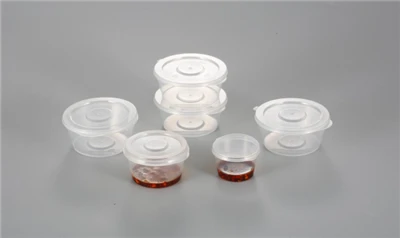
Thin-wall injection molding is a popular manufacturing process that is used in various industries. It involves the production of large numbers of parts with thinner walls than traditional injection molding. To do this, specific materials must be used.
Typically, the material used for thin-wall injection molding is thermoplastic. These include ABS, PP, PE, PC and PET. These thermoplastics have excellent flow properties, allowing them to fill molds quickly and adequately. When combined with the right mold design and processing conditions, it is possible to produce a high-quality finished product, perfecting a variety of complex details.
One of the main benefits of thin-wall injection molding using thermoplastics is their cost-effectiveness. They are relatively cheap compared to other materials, making them a popular choice for mass production. In addition, they are lightweight and durable, making them suitable for a range of domestic, industrial applications.
In short, thin-wall injection molding relies heavily on the use of thermoplastics to achieve thinner walls and complex details. The flow characteristics of the material, coupled with the correct mold design and processing conditions, play a crucial role in the success of the entire process. For this manufacturing method, thermoplastics are a cost-effective and reliable option and offer a range of benefits that make them ideal for use in a wide range of industries.