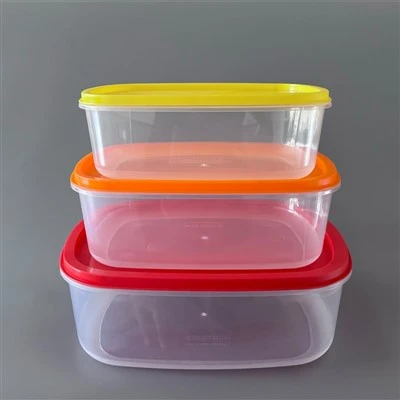
In order to optimize the quality of injection parts, injection mold designers must attach great importance to wall thickness. Wall thickness is a key parameter in injection molding as it affects the strength, appearance and overall performance of the final product. Designers must find the right balance between cost, intensity and aesthetics.
In general, when designing injection molds, as long as specific requirements are met, the thinner the wall, the better. Thin walls allow for faster cooling and faster cycle times. Thin-walled products require less material, which ultimately reduces costs. However, the design needs to change for different products, and sometimes if the wall thickness is too thin, the parts may be structurally unstable and prone to cracking or breaking.
For many injection molded products, a minimum wall thickness of about 0.5 mm is sufficient. However, this depends on the material used, the size and shape of the part, and the intended use of the final product. To find the best wall thickness, designers must consider the requirements for strength, durability, and appearance, as well as the cost of materials and manufacturing processes.
It is important to note that consistency in wall thickness is essential to ensure a high quality end product. Changes in wall thickness can lead to inconsistencies in mechanical properties and appearance defects such as subsidence marks, warping, or short shots.
Therefore, when choosing the right wall thickness, designers must carefully consider the intended use of the product, the materials used and the manufacturing process. By doing so, they can optimize the quality, durability and cost effectiveness of the final product and ultimately provide injection moulds that meet the needs of both manufacturers and end users.