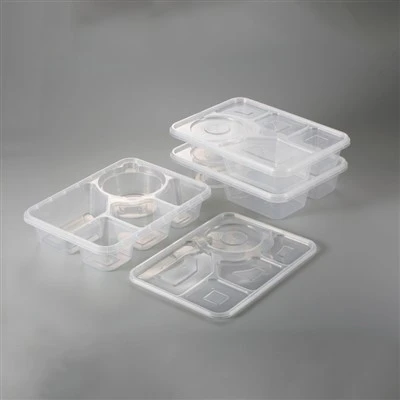
Thin-wall injection molding is a popular technique for manufacturing plastic products that requires thin and lightweight designs. However, several common problems occur during the production of these molds. Let's take a closer look at some of these challenges and how to overcome them.
1. Warping:
One of the most common problems with thin-wall injection molding is warping. This can be due to poor mold design or improper mold temperature, causing the plastic to shrink and warp as it cools. To prevent this problem, it is important to ensure that the mold is designed properly, with uniform wall thickness and adequate structural support. In addition, mold temperature should be carefully adjusted to prevent uneven cooling and warping of the plastic.
2. Part Sticking:
Another common problem with thin-wall injection molding is parts sticking. This happens when the plastic is not fully released from the mold and gets stuck on the core or cavity. It can be caused by a number of factors, including inappropriate ejection, inadequate cooling, or poor release agent. To prevent this problem, it is important to use the appropriate release agent, ensure adequate cooling and ventilation, and design the mold with a proper ejection system.
3. Air Traps:
Air traps are pockets of air that can get trapped inside the mold during the injection molding process. This can result in defects like sink marks, voids, or warping. To avoid this problem, proper venting should be incorporated into the mold design to allow trapped air to escape.
4. Flash:
Flash is an excess layer of plastic that forms on the parting line of the mold or where mold plates come together. This can occur due to improperly aligned mold plates, excessive pressure, or inadequate clamping force. To prevent flash, ensure that the mold plates are aligned properly, use adequate clamping force, and adjust injection pressure and speed.
In conclusion, thin wall injection molding can produce high-quality products, but it requires careful mold design and processing. By identifying and addressing common problems, manufacturers can overcome these challenges and produce high-quality, defect-free parts.