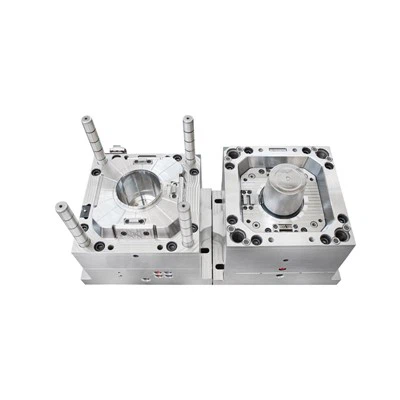
When it comes to thin-wall injection molding, choosing the right material for the mold is crucial to producing a high-quality, aesthetically pleasing product. One of the most popular materials used for thin-wall injection moulds is stainless steel. Choosing the right stainless steel material for your mold can help you reduce costs, increase production efficiency, and ensure the quality of your thin-walled products.
One of the main advantages of using stainless steel in thin-wall injection moulds is its resistance to wear and corrosion. This means that molds will last longer and require less maintenance, thus reducing repair costs and improving production efficiency. Stainless steel also has excellent thermal conductivity. This allows for more efficient heat transfer during injection molding, which can reduce cycle times and increase productivity.
Another advantage of stainless steel is its resistance to deformation and cracking. When dealing with thin-walled products, the risk of deformation and cracking is higher due to the lower stiffness of plastic products. By using high-quality stainless steel molds, the risk of such problems can also be greatly reduced. In general, when manufacturing thin-wall injection molds, we will use P20 material for the mold frame, and 2344 material for the mold core cavity, which is good in toughness and meets the requirements of high-speed production for thin-wall injection molding.
Overall, choosing the right stainless steel material for thin-wall injection molds can help you achieve high-quality results, reduce costs, and increase production efficiency.