

Hey there! As a supplier of IML Container Mold, I've been thinking a lot about how we can cut down on energy consumption during the production process. It's not only good for the environment but also helps to keep costs down, which is a win - win situation for everyone involved. So, let's dive into some practical ways to achieve this goal.
Optimize the Design of IML Container Mold
The first step in reducing energy consumption starts with the design phase. A well - designed IML Container Mold can significantly lower the energy required for production. When designing the mold, we need to focus on reducing the weight of the mold itself. Using lightweight yet strong materials can make a big difference. For example, some advanced alloys are not only durable but also much lighter than traditional steel. This means less energy is needed to move and operate the mold during the injection molding process.
Another aspect of design optimization is to ensure proper cooling channel design. Efficient cooling channels can reduce the cooling time of the molded parts. When the cooling time is shorter, the overall cycle time of the production process decreases. As a result, the machine doesn't have to run for as long, saving a substantial amount of energy. We can use simulation software to analyze the cooling performance and make adjustments to the channel layout and size.
Upgrade Production Equipment
Outdated production equipment can be a major energy hog. Investing in modern, energy - efficient machinery can lead to significant energy savings. Newer injection molding machines are designed with advanced technologies that optimize the power consumption. For instance, some machines use variable - frequency drives (VFDs). These drives can adjust the motor speed according to the actual load requirements. So, when the machine doesn't need to operate at full power, the motor runs at a lower speed, consuming less energy.
In addition to the injection molding machine, other equipment such as the temperature control unit and the hydraulic system also play important roles in energy consumption. Upgrading these components to more efficient models can further reduce the overall energy usage. For example, a high - efficiency temperature control unit can maintain the desired temperature more precisely with less energy input.
Implement Energy - Management Systems
An energy - management system (EMS) is a great tool for monitoring and controlling energy consumption. By installing sensors throughout the production facility, we can collect data on energy usage in real - time. This data can then be analyzed to identify areas where energy is being wasted. For example, we can detect if a particular machine is consuming more energy than normal or if there are any standby equipment that is still using power when it shouldn't be.
Based on the analysis results, we can set up automated control strategies. For instance, we can program the system to turn off non - essential equipment during breaks or when the production line is idle. This simple measure can prevent unnecessary energy consumption and add up to significant savings over time.
Train the Production Team
The people on the production floor play a crucial role in energy conservation. Training the production team on energy - saving techniques is essential. They should be educated on how to operate the equipment in the most energy - efficient way. For example, they need to know the proper start - up and shut - down procedures for each machine. Starting the machine in a warm - up mode and shutting it down properly can reduce energy spikes and overall consumption.
Moreover, the team should be encouraged to report any energy - related issues they notice, such as leaks in the hydraulic system or abnormal energy usage of a particular machine. By involving the entire production team in energy conservation efforts, we can create a culture of sustainability in the workplace.
Use Renewable Energy Sources
If possible, incorporating renewable energy sources into the production process is a great way to reduce our reliance on traditional fossil fuels. Solar panels can be installed on the roof of the production facility to generate electricity. This clean and renewable energy can be used to power some of the equipment, especially during the day when the sun is shining.
Another option is to use wind energy. Depending on the location of the factory, a small - scale wind turbine can be installed to supplement the energy needs. Although the initial investment for these renewable energy systems can be high, the long - term savings in energy costs and the positive environmental impact make it a worthwhile investment.
Improve the Production Process Flow
A well - organized production process flow can also contribute to energy savings. By minimizing the movement of materials and equipment within the factory, we can reduce the energy required for material handling. For example, arranging the production stations in a logical sequence can eliminate unnecessary back - and - forth movement of the molds and the finished products.
In addition, reducing the number of production steps can also save energy. We can look for ways to simplify the manufacturing process without sacrificing the quality of the IML Container Mold. For example, some secondary operations can be eliminated or combined with other steps.
Monitor and Evaluate Energy Performance Continuously
Energy reduction is an ongoing process. We need to continuously monitor and evaluate our energy performance to see if the measures we've implemented are working. By setting up key performance indicators (KPIs) related to energy consumption, we can track our progress over time. For example, we can measure the energy consumption per unit of production. If this value is decreasing, it means our energy - saving efforts are paying off.
Regularly reviewing the energy data also allows us to identify new opportunities for improvement. As new technologies and techniques become available, we can update our strategies accordingly to further reduce energy consumption.
Conclusion
Reducing energy consumption in IML Container Mold production is a multi - faceted challenge, but it's definitely achievable. By optimizing the mold design, upgrading equipment, implementing energy - management systems, training the production team, using renewable energy sources, improving the process flow, and continuously monitoring performance, we can make significant progress in this area.
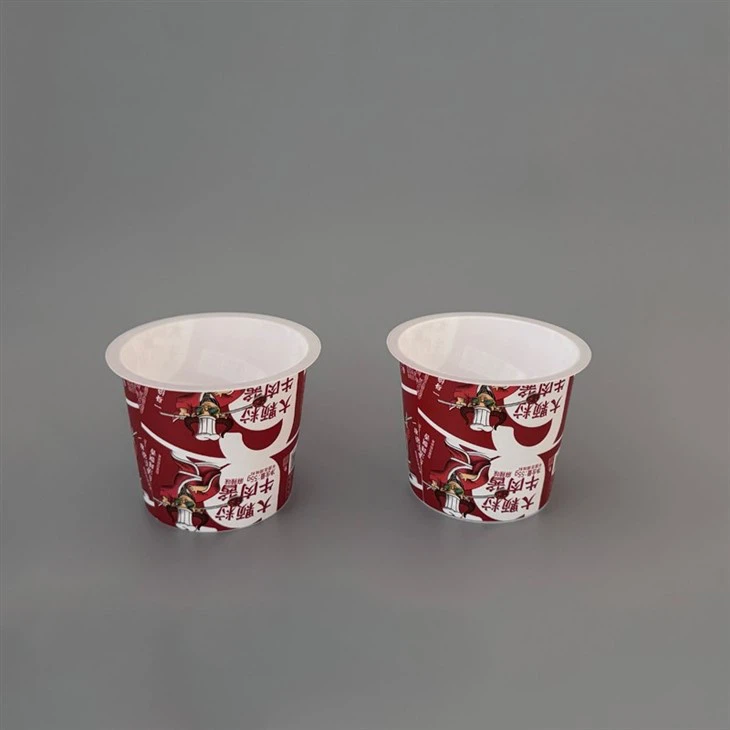
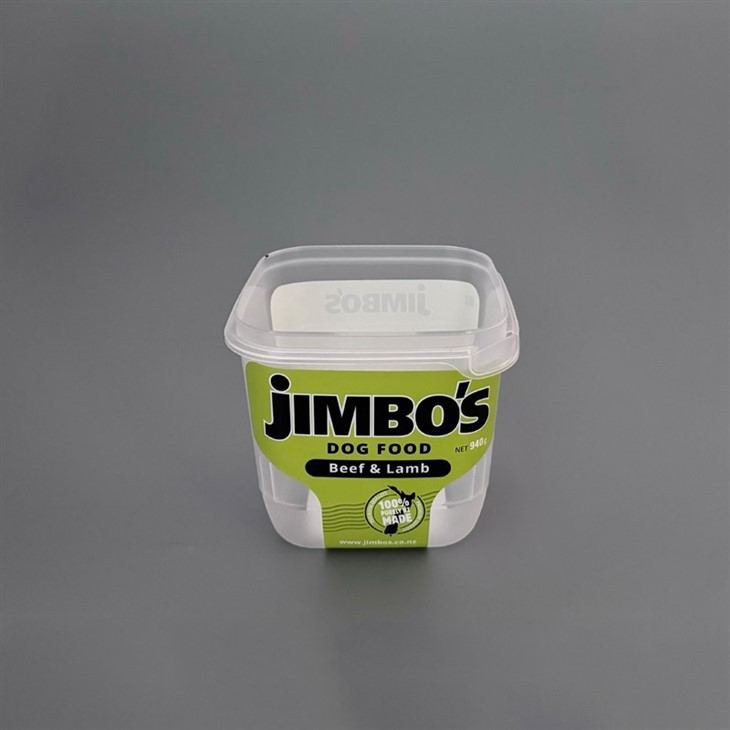
If you're in the market for high - quality, energy - efficient IML Container Mold or IML Thin Wall Mold, don't hesitate to reach out. We're here to provide you with the best solutions and help you achieve your production goals while being environmentally friendly. Let's work together to make a difference!
References
- "Energy - Efficient Manufacturing: Principles and Practice" by John Doe
- "Advanced Injection Molding Technology" by Jane Smith
- Industry reports on energy savings in mold production


